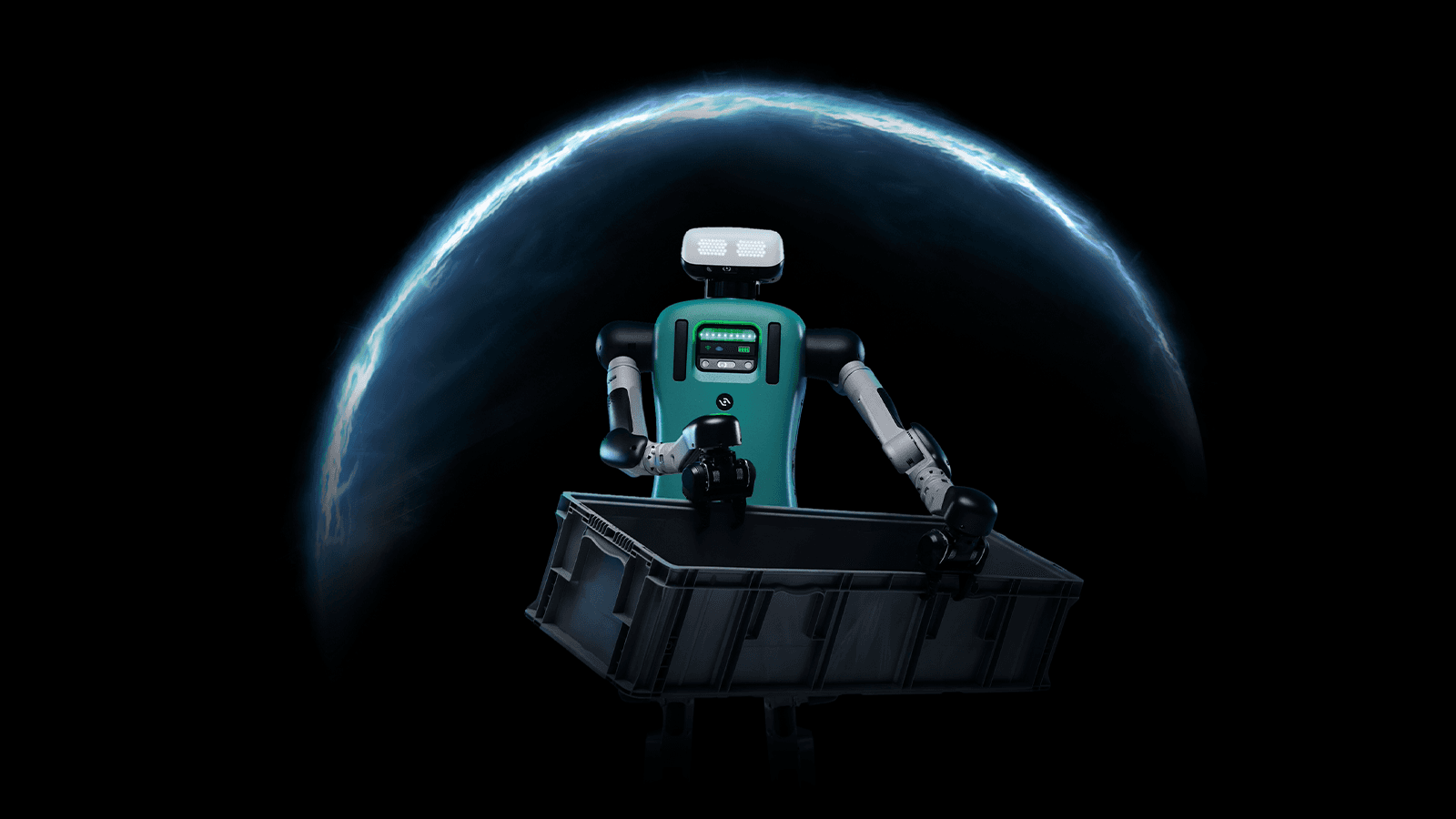
TL;DR: NVIDIA introduced Halos, the industry’s first full‑stack safety system that ties AI compute directly to safety controls for robots. The move forces regulators to think about unified safety standards and gives developers a new, vendor‑integrated path to compliant robotics.
Key takeaways
- Halos is marketed as the first full‑stack safety system that merges AI compute and safety for physical AI.
- Its launch on June 22 2026 signals a shift toward integrated safety solutions rather than piecemeal add‑ons.
- Policymakers may need to update existing robotics safety guidelines to address software‑defined safety layers.
- Developers who already use NVIDIA hardware gain a streamlined path to compliance, while others may face vendor lock‑in concerns.
- Future standards bodies could look to Halos as a reference model for safety‑compute co‑design.
Thesis: Integrated safety stacks will force a regulatory rethink
When NVIDIA announced Halos for Robotics on June 22 2026, it did more than add another product to its portfolio. By branding the offering as the industry’s first full‑stack safety system for physical AI, NVIDIA is positioning safety as a core component of the compute pipeline rather than an afterthought. That framing compels legislators, standards bodies, and corporate compliance teams to consider safety not as a separate checklist item but as an inseparable layer of the AI stack.
Evidence: What Halos actually is
According to the NVIDIA Newsroom release, Halos unifies AI compute and safety in a single, end‑to‑end solution for robotics and other physical‑AI applications. The announcement describes the product as a “full‑stack, comprehensive safety system” that brings together the processing power needed for modern machine‑learning models with built‑in safety mechanisms that can monitor, intervene, and log robot behavior in real time. No other vendor currently offers a comparable bundle that ties the hardware accelerator, the software runtime, and the safety‑critical firmware together under one umbrella.
Context: Why the timing matters
Robotics deployments have accelerated across manufacturing, logistics, and service sectors in the past few years. At the same time, high‑profile incidents involving autonomous machines have drawn public and governmental scrutiny. Existing safety regulations—largely inherited from traditional industrial automation—focus on mechanical safeguards and isolated emergency‑stop circuits. They rarely address the dynamic, data‑driven decision making that modern AI‑powered robots perform.
In that gap, a product like Halos becomes a de‑facto reference point. By embedding safety logic directly into the AI compute path, NVIDIA offers a concrete example of how software‑defined safety can be operationalized. This example arrives just as the White House, as reported by TechCrunch AI, is beginning to intervene in AI model releases for safety reasons. While the White House story concerns language models, the underlying policy impulse—governmental caution over emerging AI capabilities—applies equally to physical AI.
Who should care: Stakeholders in the new safety equation
Robotics developers who already build on NVIDIA GPUs and SDKs will find a smoother compliance path. Instead of stitching together third‑party safety controllers, they can adopt a single stack that promises both performance and safety guarantees.
Corporate compliance officers gain a clearer audit trail. Because Halos integrates safety monitoring into the same software stack that runs inference, logs of safety events are automatically correlated with model decisions, simplifying reporting to regulators.
Policy makers receive a tangible prototype of a safety‑first architecture. The existence of a commercial, end‑to‑end system gives standards bodies a concrete baseline for drafting new guidelines that address both compute and safety together.
Investors may see Halos as a signal that the market is moving toward bundled, safety‑aware AI solutions, potentially reshaping valuation models for robotics startups that lack in‑house safety expertise.
Counter‑arguments and open questions
Critics could argue that Halos deepens dependence on a single vendor’s ecosystem. If safety logic is locked into NVIDIA’s proprietary stack, organizations might face higher switching costs or reduced flexibility when integrating alternative hardware. The announcement does not detail how open the safety APIs are, leaving open the question of interoperability with non‑NVIDIA components.
Another concern is verification. While NVIDIA markets Halos as “comprehensive,” the announcement does not specify independent certifications or third‑party audits. Regulators may demand external validation before accepting such integrated safety solutions as compliant with existing standards.
Finally, the scope of “full‑stack” is not fully defined. Does Halos cover only perception and actuation, or does it also encompass higher‑level planning and decision‑making? The lack of detail means developers must still assess whether the system meets the safety requirements of their specific use case.
Prediction: From product launch to policy shift
In the short term, we can expect early adopters—particularly firms already entrenched in the NVIDIA ecosystem—to pilot Halos on warehouse robots, autonomous drones, and collaborative cobots. Those pilots will generate data on failure modes, latency, and auditability, which regulators will likely scrutinize.
Within a year, standards organizations such as ISO and IEC may reference integrated safety‑compute architectures in draft revisions of robotics safety standards (e.g., ISO 10218‑1/2). The presence of a commercial example reduces the perceived risk of codifying such requirements.
Longer‑term, the industry could see a bifurcation: vendors that offer tightly coupled safety stacks versus those that continue to provide modular, best‑of‑breed solutions. Policy makers may need to craft rules that prevent lock‑in while still encouraging the safety benefits of integration. One plausible outcome is a “safety‑compute interface” specification that any vendor must implement, ensuring interoperability without stifling innovation.
Practical impact for developers
For engineers building physical AI systems, Halos promises a reduction in engineering overhead. Instead of sourcing separate safety controllers, writing custom watchdog code, and performing separate validation cycles, developers can rely on a single SDK that claims to handle both inference and safety monitoring. This could shorten time‑to‑market for new robotic products, especially in sectors where safety certification is a bottleneck.
However, developers must weigh the benefits against potential lock‑in. A prudent approach would be to prototype with Halos while maintaining a clear abstraction layer between safety logic and hardware, preserving the option to migrate to alternative platforms if regulatory or business pressures arise.
What happens next?
The next steps are likely to involve:
- Beta deployments with select enterprise partners to validate safety performance.
- Public release of technical documentation, including API specifications and safety case studies.
- Engagement with standards bodies to align Halos capabilities with emerging safety guidelines.
- Potential government outreach, as regulators seek real‑world examples of integrated safety solutions.
All eyes will be on how quickly the industry can translate the promise of a full‑stack safety system into measurable safety outcomes on the factory floor.
📎 Related Articles
Build Physical AI Workflows with NVIDIA Agent Skills • NVIDIA’s New Physical AI Tools: A Practical Review • How NVIDIA’s AI Factory Could Slash LG’s Compute Costs • Who Should Apply for DeepMind’s $10M Multi‑Agent Safety Grant • Step‑by‑Step Guide to Building a Physical AI System with NVIDIA and Doosan • Why xAI’s Dismissal of a Safety Whistleblower Signals a Policy Gap • When Goats Play Neural Nets: A Wake‑Up Call for AI Research • Why Europe’s Robot Revolution Needs Modular AI and Massive Compute
Explore related AI topics