AI Regulation
Follow AI regulation, copyright lawsuits, safety standards, government policy, model rules, compliance, and global AI governance.

Why NVIDIA’s Halos Could Redraw the Rules for Robotics Safety
NVIDIA unveiled Halos, the first full‑stack safety system for physical AI. This analysis examines its policy impact and what it means for developers and regulators.
Understand changing rules
AI regulation affects model training, copyright, transparency, safety testing, procurement, data handling, and product launches.
Track legal risk
This hub follows lawsuits, policy proposals, enforcement moves, and standards that can change how AI products are built and sold.
Translate policy into action
Coverage focuses on what teams should monitor: disclosures, data provenance, human oversight, safety evaluations, and user rights.
More Coverage
OpenAI's GPT‑5.6 Access Tied to U.S. Government Clearance
OpenAI limits GPT‑5.6 rollout to partners cleared by the U.S. government, raising questions about future AI licensing and market impact.
Claude Fable 5’s price jump raises policy questions
Anthropic’s Claude Fable 5 offers a 5.7% performance edge while costing twice as much per token, sparking debate over pricing models, safety overhead, and the ripple effects for developers and regulators.

Who Should Apply for DeepMind’s $10M Multi‑Agent Safety Grant
A quick guide to DeepMind’s new $10 million multi‑agent AI safety funding—who benefits, where it fits, and what to watch out for.

Microsoft's New Policy Files Give Devs Fine‑Grained AI Agent Control
Microsoft unveiled portable policy files and an open‑source testing framework that let developers dictate AI agent behavior. The tools aim to tighten compliance and simplify regression checks.
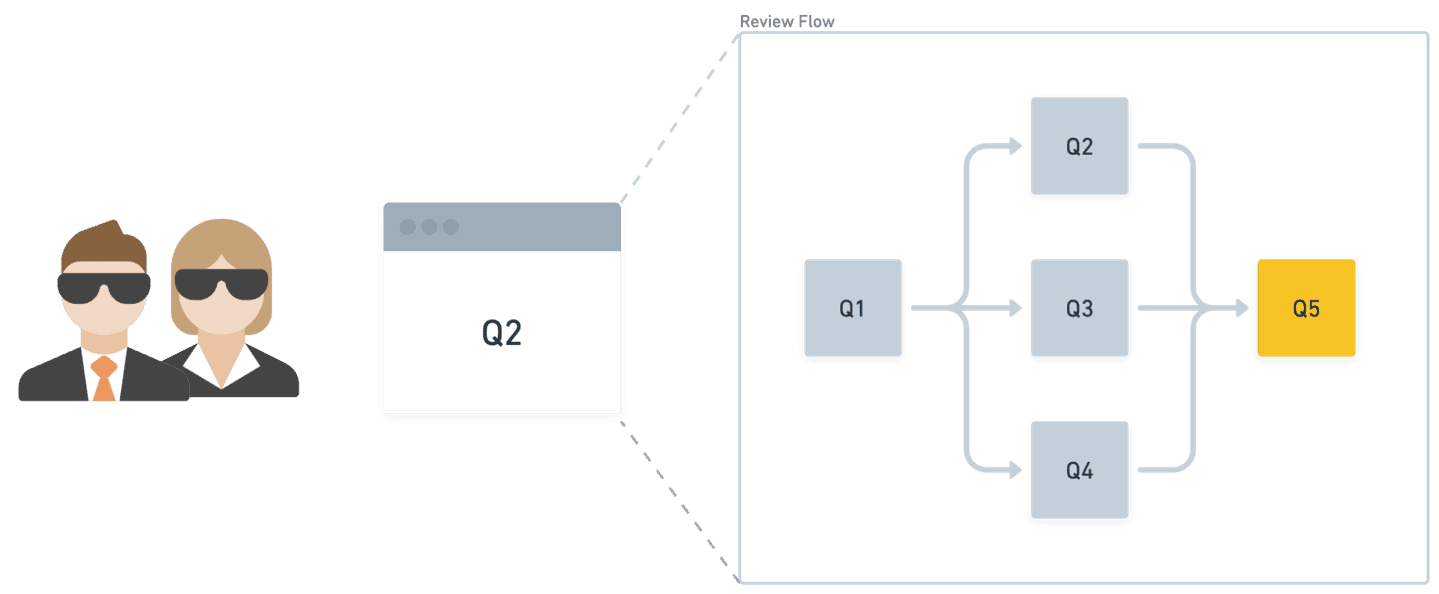
Build Production‑Grade AI Agents for Financial Compliance: Stripe’s Playbook
Learn how to design, deploy, and operate AI agents that meet financial‑compliance standards by following the architecture and operational habits Stripe used, as detailed by AWS.
Build Production‑Grade AI Agents for Finance Compliance
Learn how Stripe built a scalable AI agent system for financial compliance, from architecture to cost‑saving tricks. Follow a step‑by‑step guide to replicate it.

When Goats Play Neural Nets: A Wake‑Up Call for AI Research
A Microsoft researcher used Age of Empires II to build a functional neural network out of goats, exposing deep‑seated assumptions in AI research. The stunt forces a rethink of hype, funding, and safety priorities across the industry.
Only Three AI Models Survived a 500‑Day Startup Test – What It Reveals
A Princeton simulation showed that just three AI agents kept a fictional software company afloat for 500 days, highlighting gaps in current model robustness and prompting fresh safety discussions.
Guides and Playbooks
Analysis and Comparisons
Why NVIDIA’s Halos Could Redraw the Rules for Robotics Safety
Claude Fable 5’s price jump raises policy questions
Who Should Apply for DeepMind’s $10M Multi‑Agent Safety Grant
Microsoft's New Policy Files Give Devs Fine‑Grained AI Agent Control
When Goats Play Neural Nets: A Wake‑Up Call for AI Research
Open-weight models now match frontier cyber performance from just
AI Regulation FAQ
What is AI regulation?
AI regulation is the set of laws, standards, and government rules that shape how AI systems are trained, deployed, disclosed, and monitored.
Why does AI regulation matter for companies?
Regulation can affect product design, data use, safety testing, procurement, liability, and market access.
Does AI copyright law affect AI tools?
Yes. Copyright disputes can affect training data, generated output rights, licensing, and the risk profile of creative AI tools.