AI Models
Track AI model launches, benchmarks, pricing, context windows, multimodal capabilities, open models, and practical model selection.
How to Deploy Agentic Gemini Models After I/O 2026
A step‑by‑step guide to adopting Gemini 3.5’s action‑enabled AI, from setup to best practices, based on the latest I/O announcements.
Compare model capabilities
Follow model launches and upgrades across reasoning, coding, long context, multimodal input, speed, cost, and reliability.
Pick the right model
Model coverage focuses on practical fit: coding, research, customer support, content, agents, data analysis, and production workloads.
Watch open and closed AI
The model market changes fast, so this hub tracks both frontier proprietary models and open-weight releases.
More Coverage
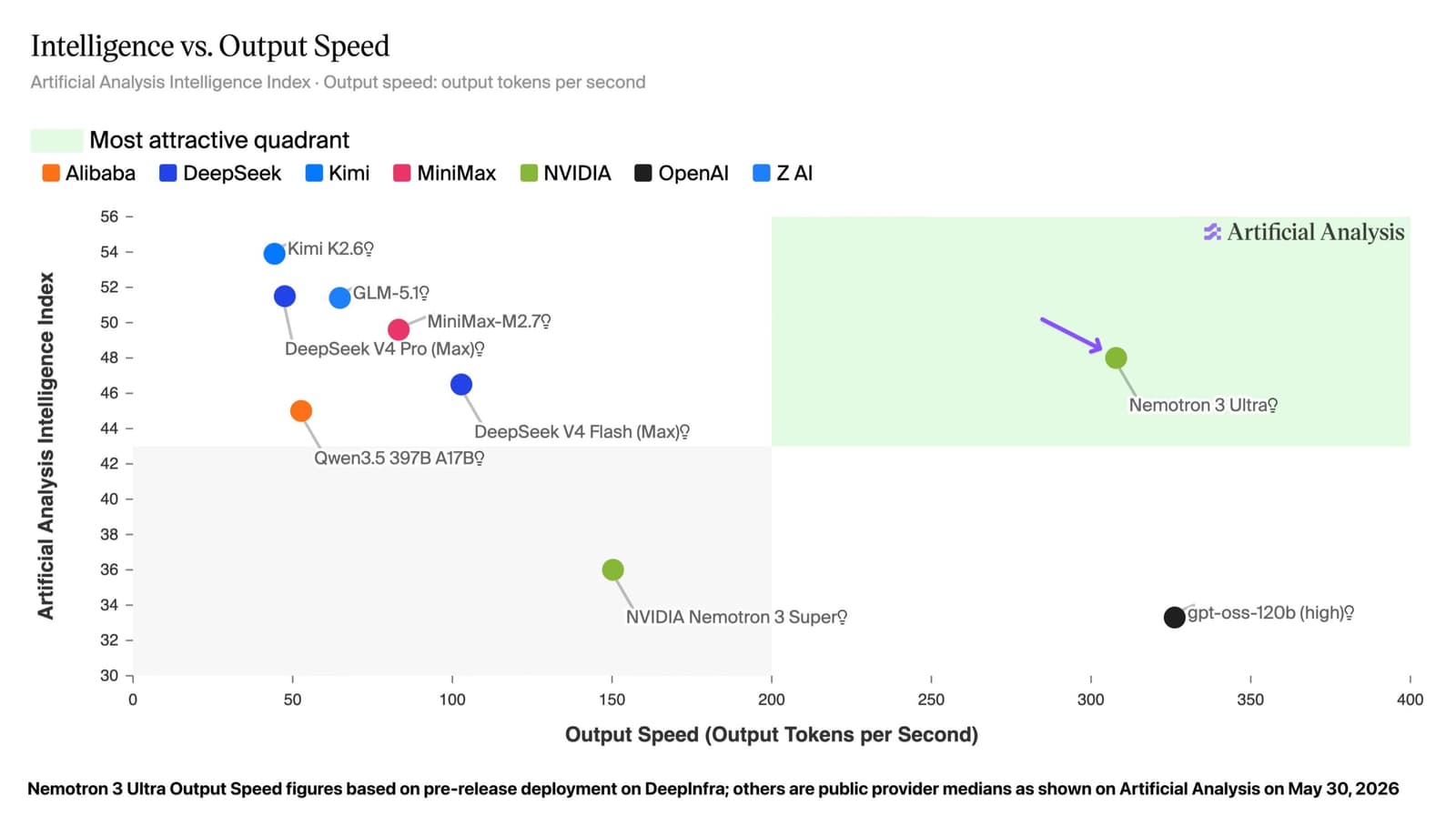
Nvidia Nemotron 3 Ultra: The Sharpest Open US Model – Still Behind China
Nemotron 3 Ultra tops US open‑source benchmarks but lags China’s offerings. Here’s a quick verdict on who should adopt it and why.
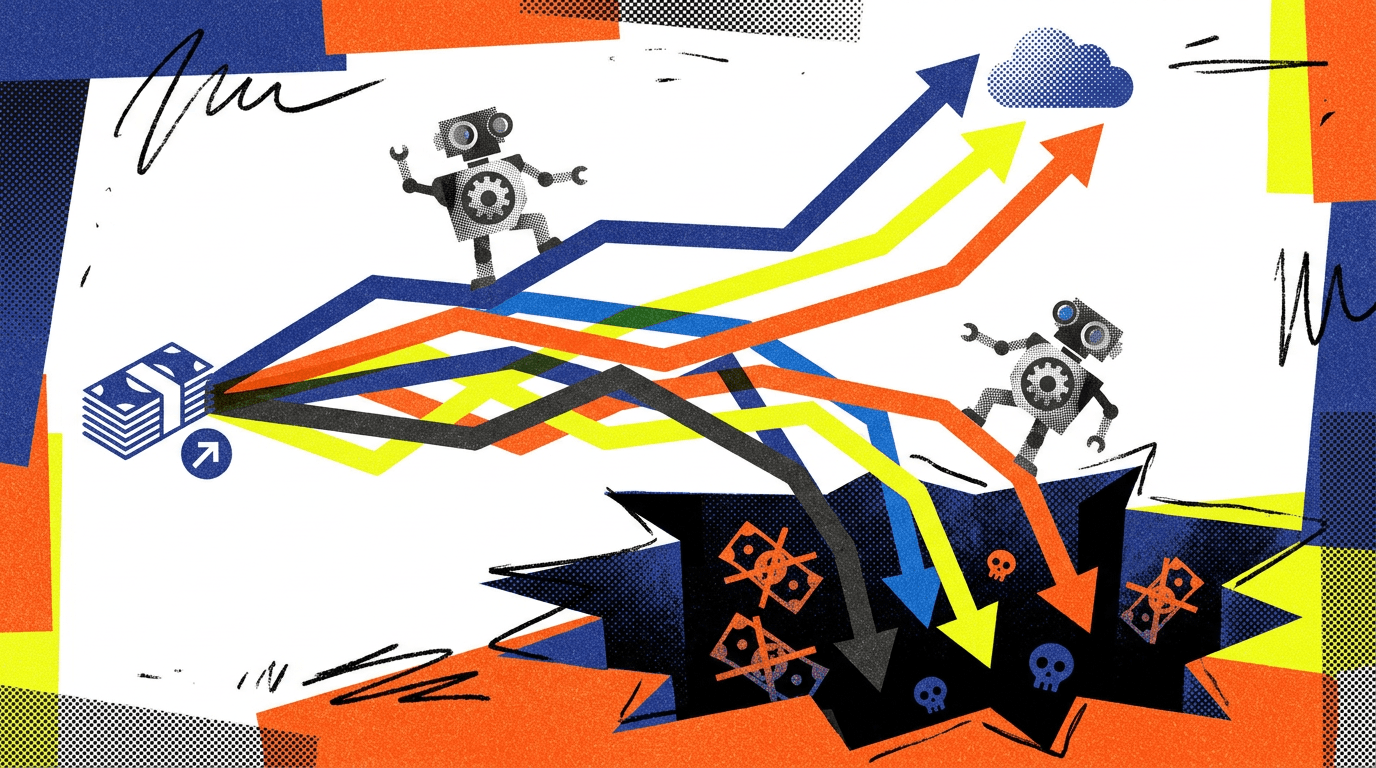
Only Three AI Models Survived a 500‑Day Startup Test – What It Reveals
A Princeton simulation showed that just three AI agents kept a fictional software company afloat for 500 days, highlighting gaps in current model robustness and prompting fresh safety discussions.
Gemini 3.5 vs GPT‑5.5: Who Owns the Agentic AI Crown?
A head‑to‑head look at Google’s Gemini 3.5 and Databricks‑powered GPT‑5.5, weighing intelligence, action, and enterprise fit after I/O 2026.
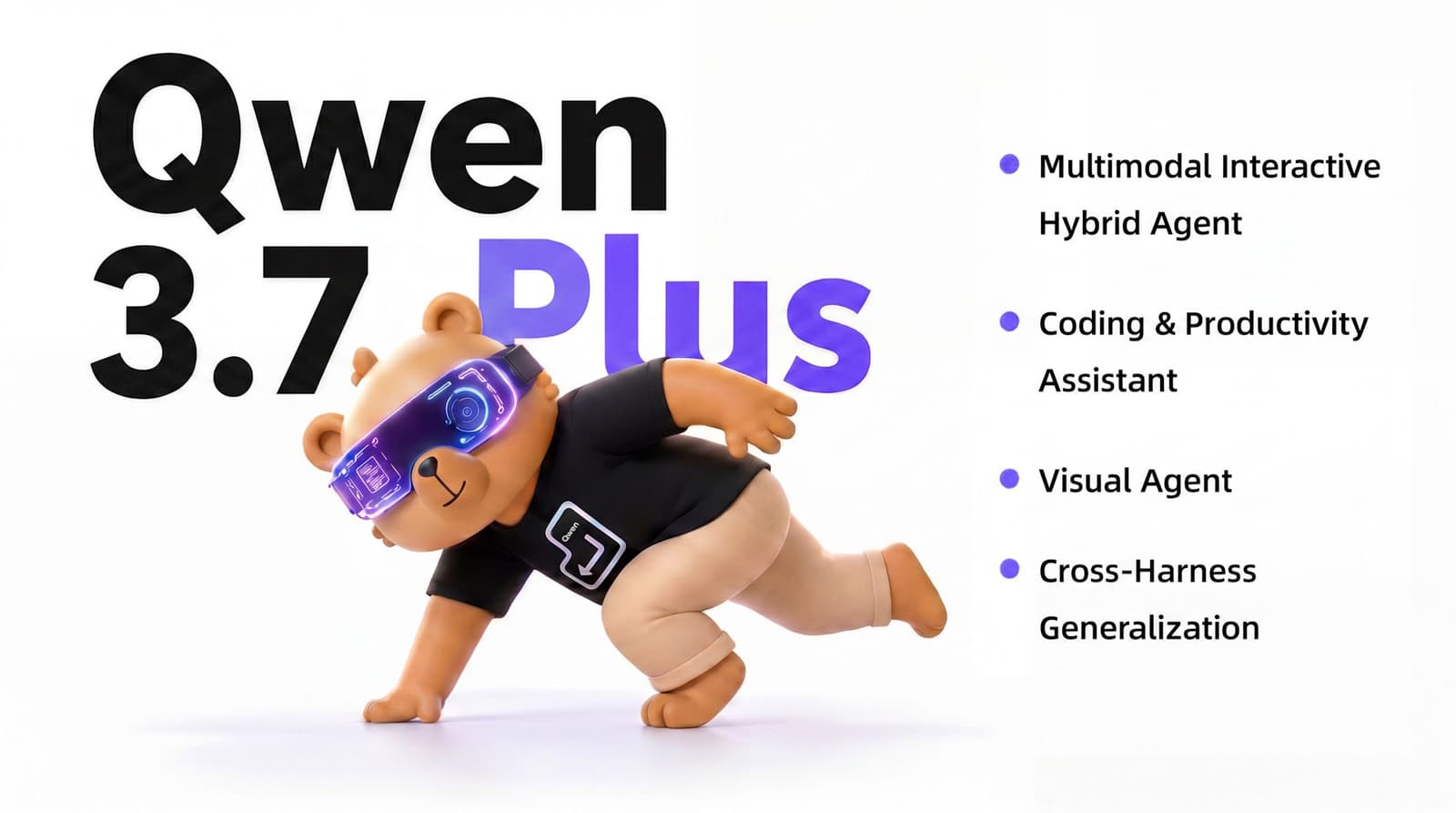
Qwen3.7-Plus Review: When Multimodal AI Becomes an Autonomous Engineer
A practical look at Alibaba's Qwen3.7-Plus, its capabilities, ideal projects, drawbacks, and alternatives for developers who need a multimodal AI agent.
Gemini 3.5 vs the Competition: Which AI Assistant Delivers Real Action?
A side‑by‑side look at Google’s Gemini 3.5, Microsoft Copilot, and NVIDIA’s RL platform, focusing on actionable intelligence and practical use.

Google DeepMind's Bioresilience Approach
Google DeepMind and Isomorphic Labs share their joint approach to bioresilience and AI models. Learn how this matters beyond the announcement.

Deepseek Leads Ramp’s June 2026 Vendor List as US Firms Hunt Cheaper AI
Deepseek topped Ramp’s trending software vendors in June 2026, reflecting a cost‑driven shift among US companies toward Chinese AI models, despite security concerns.
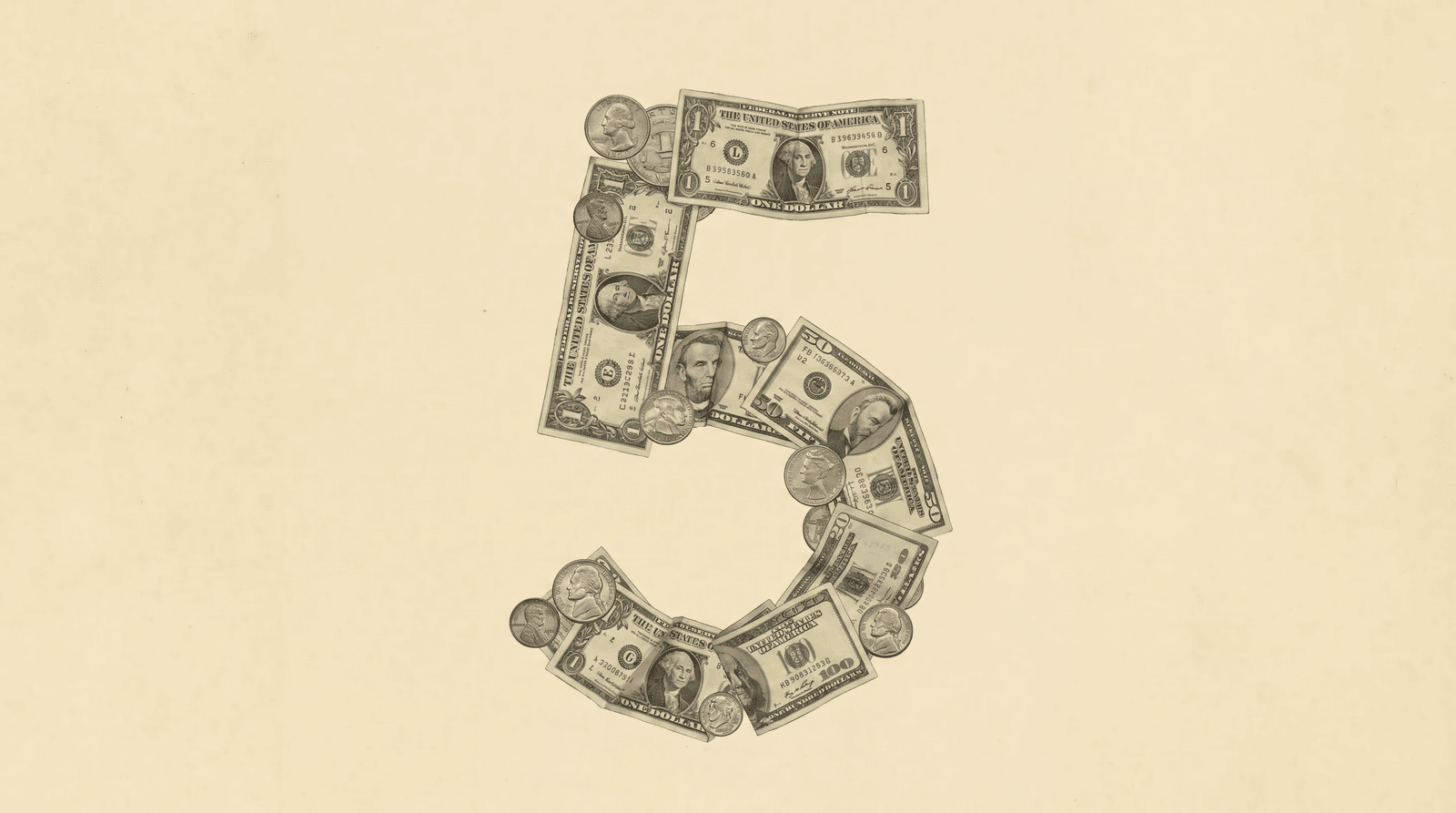
Claude Fable 5’s price jump raises policy questions
Anthropic’s Claude Fable 5 offers a 5.7% performance edge while costing twice as much per token, sparking debate over pricing models, safety overhead, and the ripple effects for developers and regulators.
Guides and Playbooks
Analysis and Comparisons
Nvidia Nemotron 3 Ultra: The Sharpest Open US Model – Still Behind China
Gemini 3.5 vs GPT‑5.5: Who Owns the Agentic AI Crown?
Qwen3.7-Plus Review: When Multimodal AI Becomes an Autonomous Engineer
Gemini 3.5 vs the Competition: Which AI Assistant Delivers Real Action?
Google DeepMind's Bioresilience Approach
Claude Fable 5’s price jump raises policy questions
AI Models FAQ
What are AI models?
AI models are trained systems that generate text, code, images, video, audio, or actions based on prompts and input data.
Which AI model is best?
The best AI model depends on the task, price, latency, accuracy, context length, and whether the workflow needs tools or multimodal input.
Why do AI model benchmarks matter?
Benchmarks help compare models, but real workflow tests are still needed because benchmark strength does not always translate to useful production performance.