Thesis
Partnering with NVIDIA, LG Group’s AI factory will not just accelerate its robot, autonomous‑driving and data‑center ambitions—it will fundamentally reshape the cost structure of large‑scale AI workloads by marrying high‑throughput hardware with a new benchmark for power efficiency.
Evidence
According to the NVIDIA Newsroom announcement on June 8, 2026, the AI factory will give LG Group a dedicated accelerated‑computing environment for training, simulation, validation and deployment of AI‑based applications across its core businesses, including robotics, mobility and GPU‑cloud services. The collaboration equips LG with the hardware and software stack needed to run massive AI workloads in‑house rather than relying on third‑party cloud providers.
In a separate NVIDIA release dated June 12, 2026, the company unveiled the first results of AgentPerf, the industry’s inaugural benchmark for agentic AI. The Blackwell Ultra NVL72 platform topped the test, delivering “20× more agents per megawatt” than competing systems. This metric translates directly into lower electricity bills and reduced cooling requirements for any data center that can run the same number of autonomous agents on less power.
When combined, the two announcements suggest a clear financial narrative: LG’s new factory will run the same or greater number of AI agents while consuming a fraction of the energy traditionally required. The headline‑level performance of Blackwell Ultra provides a concrete yardstick for estimating those savings.
Context
The AI industry has moved from a focus on raw FLOPS to an emphasis on agentic workloads—software entities that act autonomously in real‑world environments. Measuring performance in agents per megawatt reflects a shift toward operational cost as a primary competitive factor. NVIDIA’s Blackwell Ultra results are the first public data point that quantifies this shift.
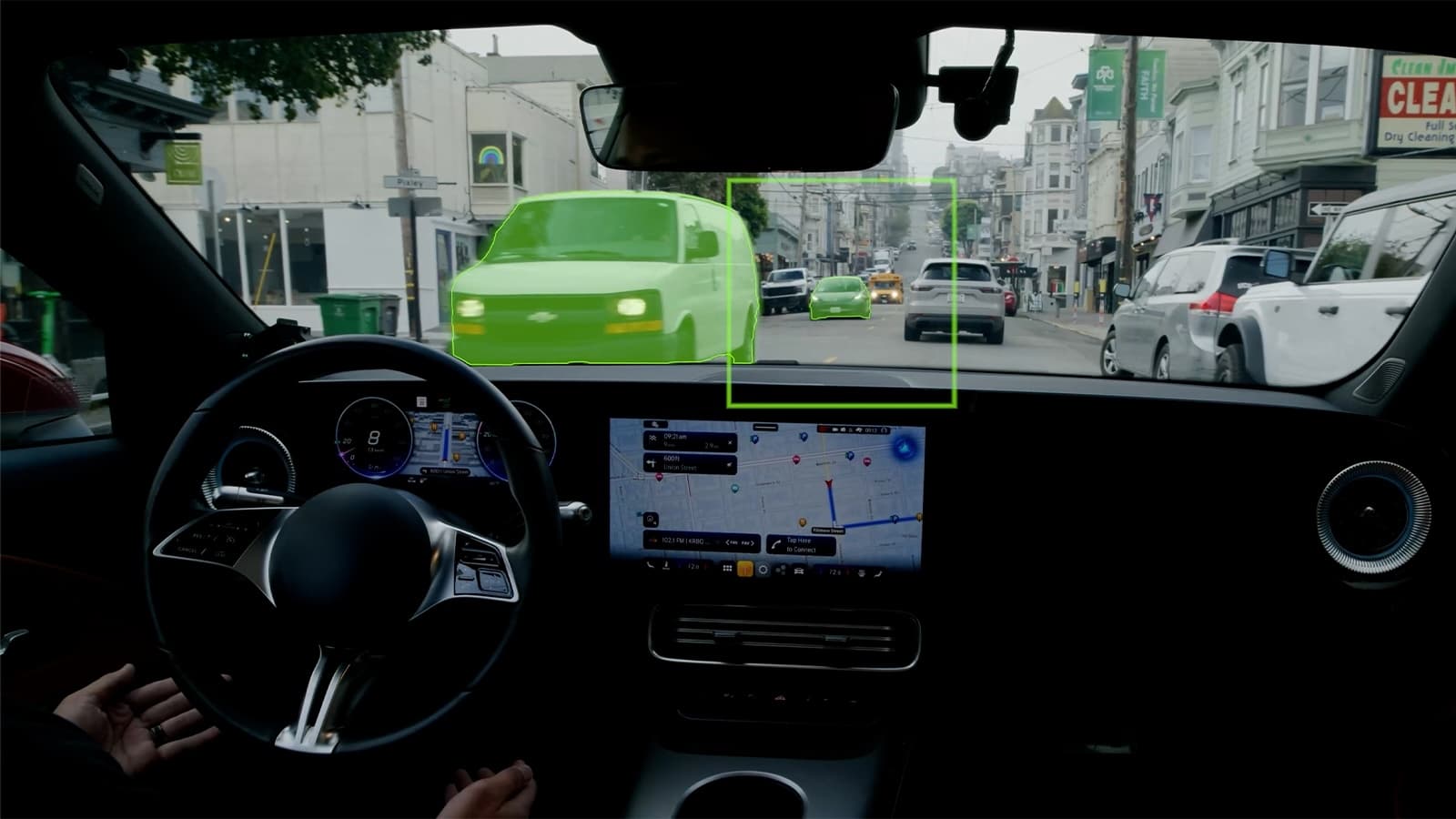
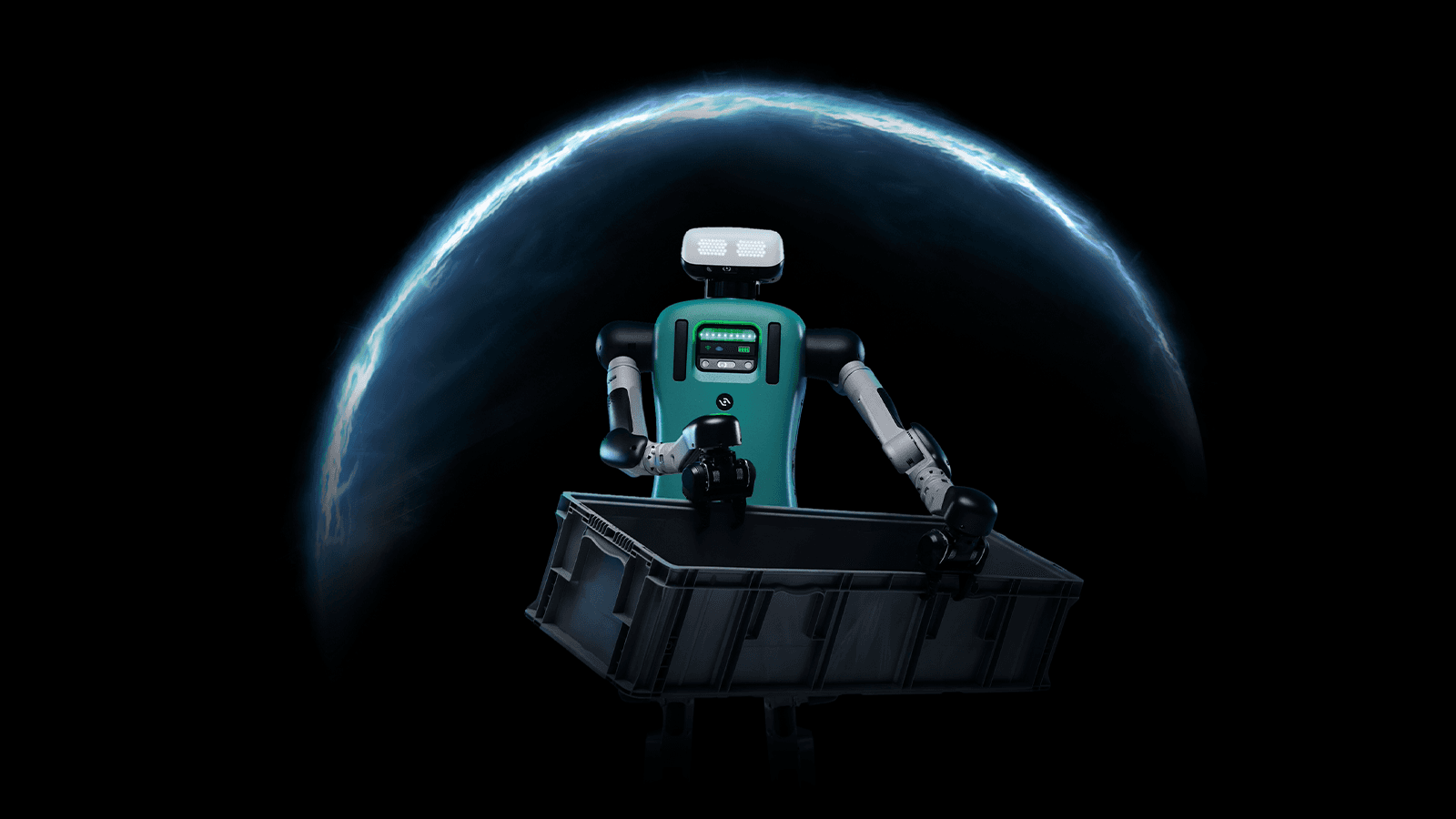
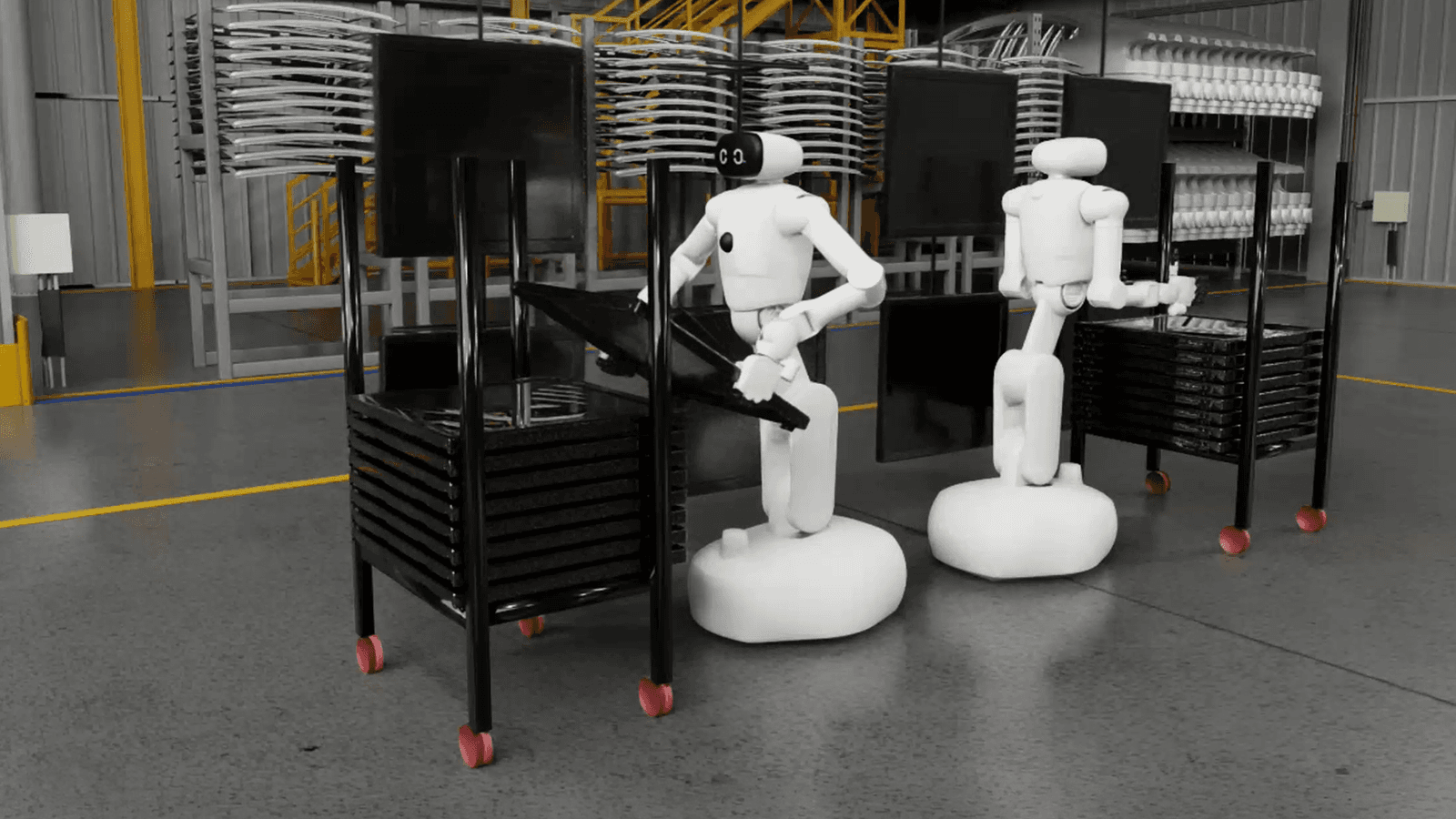
LG’s portfolio—spanning factory robotics, self‑driving vehicle platforms and on‑premise GPU cloud services—relies heavily on running thousands of concurrent agents for perception, planning and control. Historically, such workloads have been hosted in public clouds where pricing is tied to both compute time and energy consumption. By installing an AI factory that can host these agents internally, LG can capture the cost advantage demonstrated by the Blackwell benchmark.
Counter‑Arguments
While the performance figures are impressive, several skeptics raise practical concerns. First, the AI factory represents a sizable capital outlay; the announcement does not disclose the upfront investment, leaving analysts to guess at payback periods. Second, the partnership leans heavily on NVIDIA hardware, potentially locking LG into a single‑vendor ecosystem and limiting flexibility if newer architectures emerge.
Third, the 20× agents‑per‑megawatt metric is derived from a benchmark suite that may not map perfectly onto LG’s specific robotics or autonomous‑driving workloads. Real‑world agents often require heterogeneous sensor processing, safety‑critical validation and regulatory compliance, which could erode the theoretical efficiency gains.
Prediction
If LG can translate the Blackwell Ultra efficiency into its production pipelines, the AI factory could lower per‑agent operating costs by double‑digit percentages within the first two years. Those savings would enable the company to price its robot‑as‑a‑service and mobility solutions more competitively, pressuring rivals to adopt similar high‑efficiency stacks.
In the longer term, the success of this joint effort may spur other conglomerates—especially those with hardware‑intensive divisions—to co‑invest with GPU leaders, creating a new wave of “AI factories” that prioritize energy‑aware design. The result could be a broader industry move away from generic cloud billing toward transparent, hardware‑level cost accounting for agentic AI.
📎 Related Articles
NVIDIA Vera CPU Raises the Bar for AI Factory Costs • XCENA Raises $135M, Betting Memory Over Compute for AI • Anthropic's Chip Hire Signals Cost Shift Ahead of IPOs • TIGER Tackles Hallucinations, but at What Infrastructure Cost? • NVIDIA Vera CPU Raises the Bar for Agentic AI Infrastructure • Paper‑Grounded Figure Videos Could Redefine Scientific Storytelling • Why TreeSeeker’s Tree‑Structured Search Could Redefine AI Browsing • Why LLMs Need Inhibitory Deliberation to Cut Costs
Explore related AI topics
AI News Today • AI Agents • AI Models • AI Coding Tools • AI Video Tools • Open Source AI Models