Thesis
Europe can only achieve a sustainable robotics surge if it pairs reconfigurable hardware with the kind of high‑density AI compute that is already being deployed in Asia. The combination promises lower total cost of ownership, faster adaptation to new tasks, and a competitive edge against regions that already host gigawatt‑scale AI clouds.
Evidence
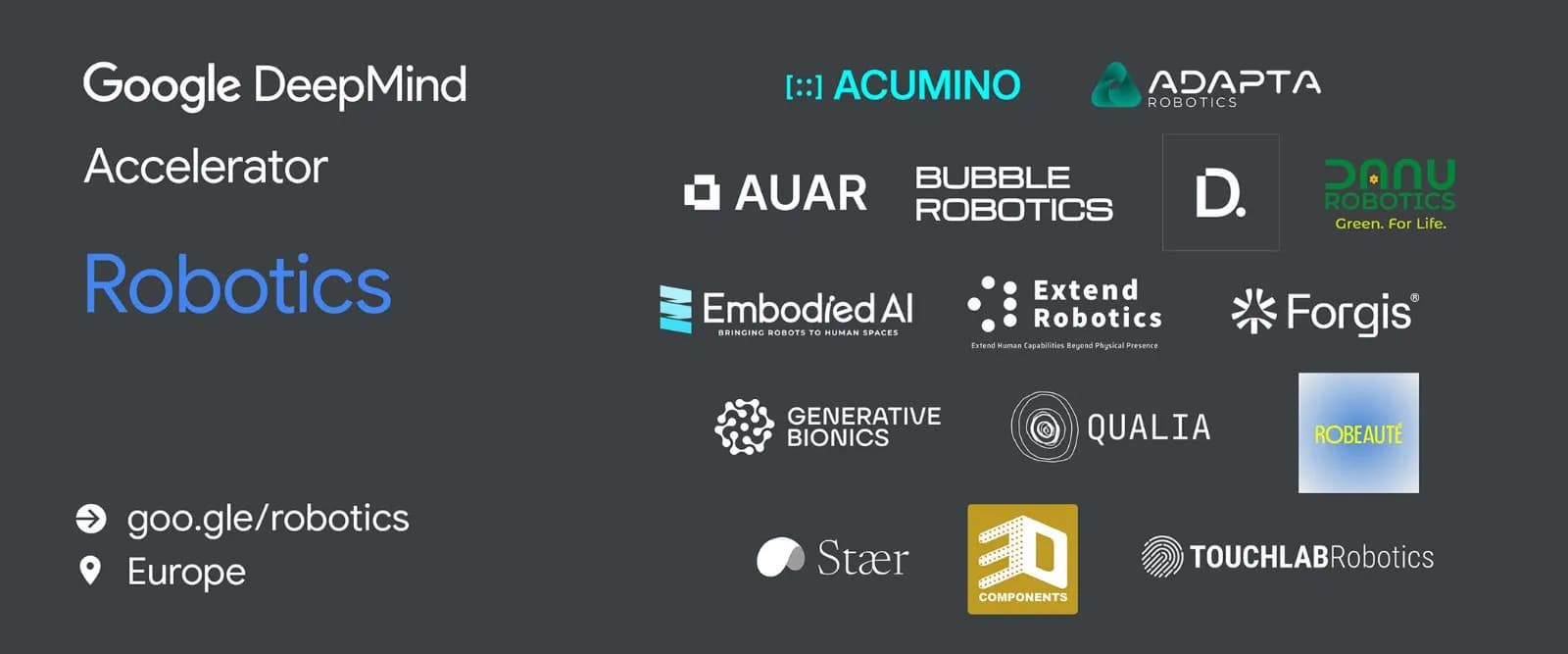
On June 9, 2026, DeepMind published a blog post titled “Powering the future of robotics in Europe.” The post signals a deliberate move by the AI research leader to back European robotics initiatives, though the details remain limited to the announcement itself.
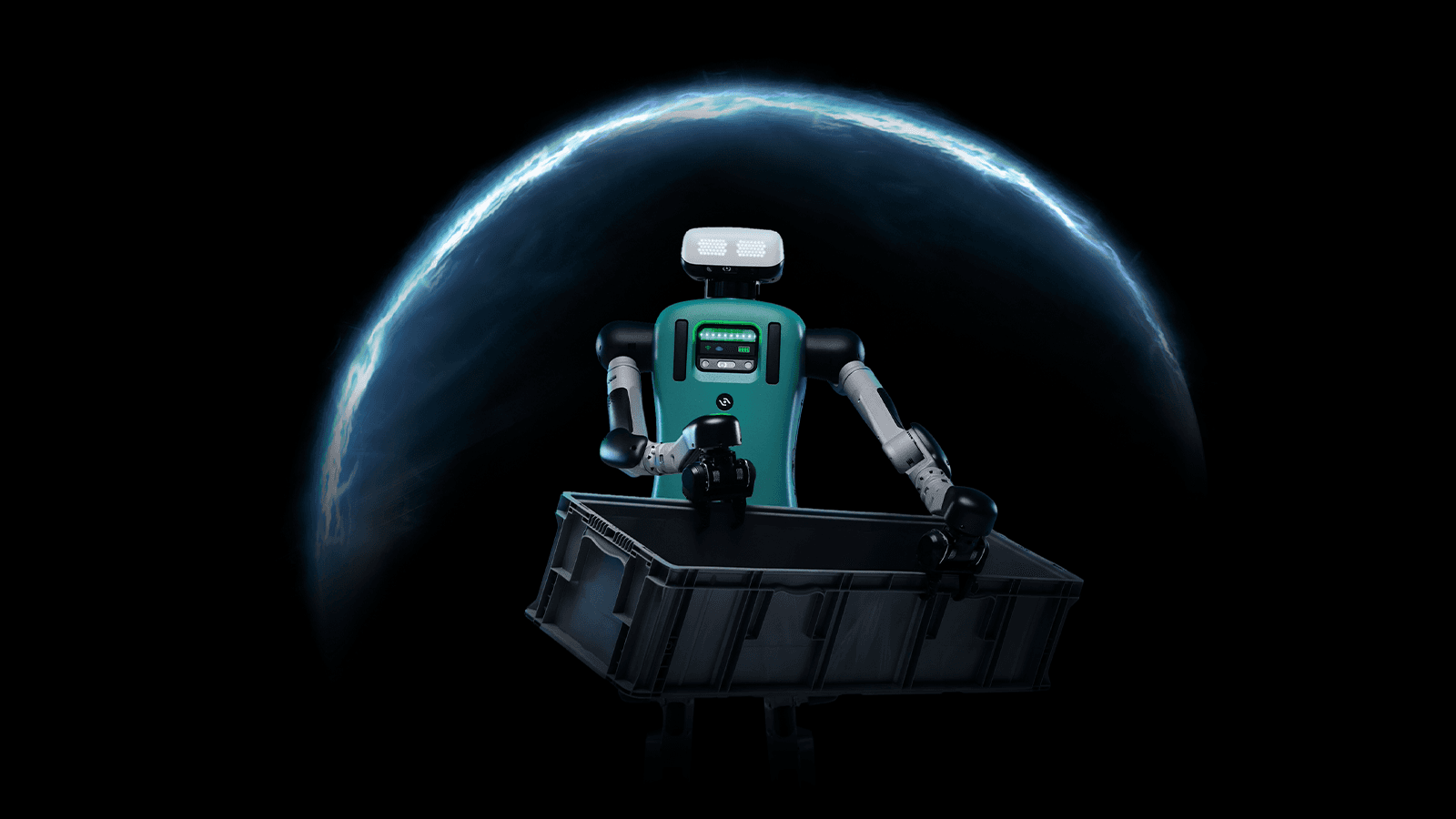
Just three days later, TechCrunch reported that Theker secured $85 million in financing to create a factory robot that does not specialize in a single function. Unlike fixed‑form humanoids such as those from Boston Dynamics, Theker’s machines are built to be reconfigured for different tasks, a design choice that directly reduces the need for multiple dedicated robots on a production line.
Across the continent, Asian benchmarks illustrate the scale of compute needed to drive such flexibility. NVIDIA’s newsroom announced on June 7, 2026 that SK Telecom will construct a gigawatt‑scale AI Cloud in Korea using the NVIDIA DSX™ platform, with the first AI‑powered factory slated for 2027. A companion post on June 5, 2026 highlighted South Korea’s broader ecosystem of sovereign AI infrastructure and robotics innovators, underscoring the strategic value placed on massive compute resources.
Context
European manufacturers have traditionally relied on niche automation solutions, often importing hardware and software from the United States or East Asia. The DeepMind announcement marks a shift toward home‑grown AI talent collaborating with local hardware firms. Theker’s funding round, while not explicitly tied to a geographic location, reflects investor confidence in a modular approach that could be attractive to European factories seeking to retrofit existing lines without massive capital outlays.
In contrast, the Korean examples demonstrate that scaling AI compute to the gigawatt level is now considered a prerequisite for next‑generation factories. The DSX™ platform provides a unified stack that can handle everything from vision models to reinforcement‑learning agents that control robot motion. If Europe wishes to compete, it must either develop comparable cloud infrastructure or secure access to existing platforms through partnerships.
Counter‑Arguments
Critics might argue that Europe’s regulatory environment and fragmented market make large‑scale AI cloud projects infeasible. Data‑sovereignty rules could limit cross‑border compute sharing, and the continent’s lower average electricity costs compared with Korea could reduce the incentive to build gigawatt‑scale facilities.
Another objection concerns the maturity of reconfigurable robots. While Theker’s funding suggests market interest, the technology has yet to prove itself at the scale of traditional dedicated robots. Manufacturers may prefer proven, single‑purpose machines until the modular approach demonstrates comparable uptime and reliability.
Prediction
Assuming DeepMind follows through with concrete programs and European governments align policy with the needs of high‑density AI compute, the next five years should see a gradual convergence of modular hardware and shared AI cloud resources. Early adopters—likely in automotive and electronics assembly—will pilot Theker‑style robots controlled by locally hosted AI models, reducing the need for multiple specialized units.
By 2030, Europe could host at least two regional AI cloud hubs delivering petaflop‑scale services to a network of reconfigurable factories. These hubs would not match the gigawatt capacity of Korea’s SK Telecom project but would be sufficient to train and run the adaptive models required for modular robots, keeping European production competitive without massive energy consumption.
📎 Related Articles
Why AI‑Written Lawsuits and Virtual Power Plants Signal a New Data‑Center Era • Why Sam Altman’s Bet on Alfred Signals a Shift Toward Physical AI • Google I/O 2026 Dialogues: Why the Talk Matters More Than the Tech • Google I/O 2026 Dialogues: A Glimpse of an Integrated AI Future • Why a People‑First AI Industrial Policy Matters Now • Why Compact Agents Need Evoflux to Make Tool Workflows Reliable • Why xAI’s Dismissal of a Safety Whistleblower Signals a Policy Gap • TouchThinker Shows Why Scaling Tactile Reasoning Matters
Explore related AI topics
AI News Today • AI Agents • AI Models • AI Coding Tools • AI Video Tools • Open Source AI Models