Lead
NVIDIA's Blackwell GPU family shattered every record in the MLPerf Training 6.0 benchmark on June 16, 2026, delivering the fastest, largest and most efficient training runs to date.
Context
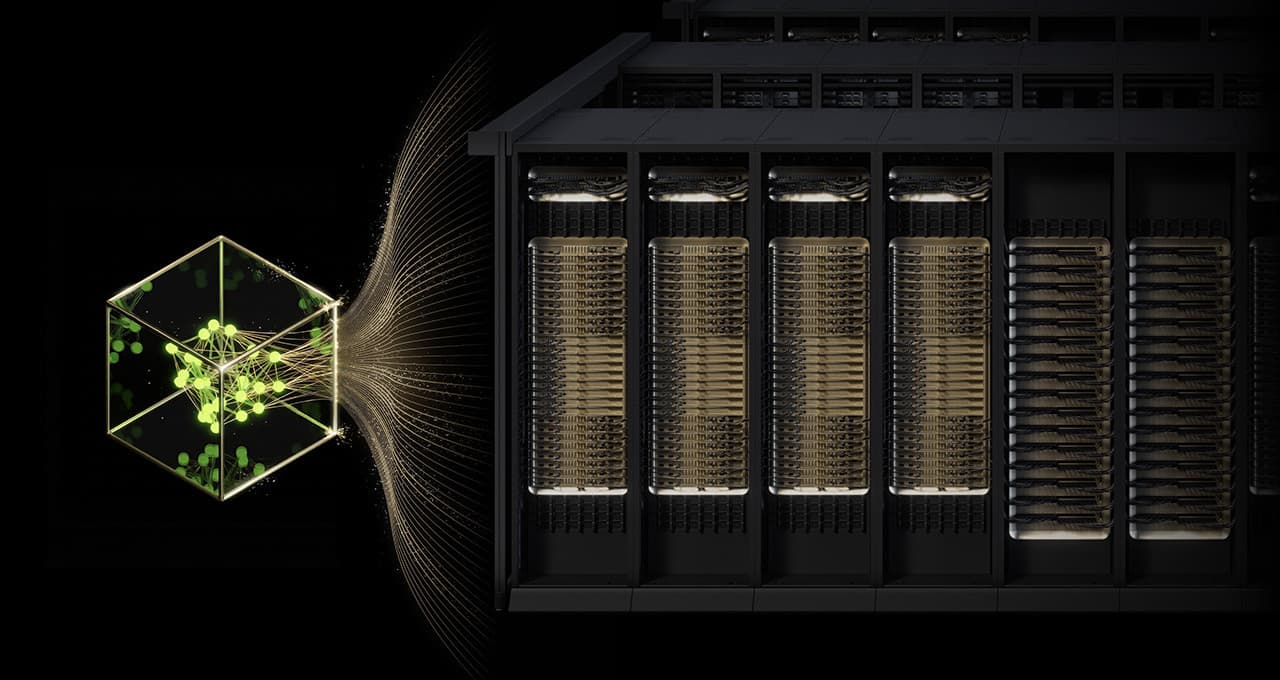
The breakthrough comes from the Blackwell architecture, which NVIDIA says reshapes the way AI teams approach model development. According to the NVIDIA Newsroom, the infrastructure that powers a training run determines how quickly researchers can iterate, the scale of models they can build, and whether jobs finish reliably. As models grow in size and complexity, the pressure on compute resources intensifies, making advances like Blackwell especially valuable.
At the same time, the AI community is confronting a less‑glamorous cost driver: data collection for physical AI. A TechCrunch AI report from June 17 highlighted that gathering robot training data is labor‑intensive and that some labs are already paying a dedicated firm, XDOF, to handle the dirty work. The piece underscores that while compute power is a headline‑grabbing expense, data pipelines can also strain budgets.
Impact
Blackwell's record‑setting performance translates directly into cost savings. Faster training cycles mean fewer GPU‑hours per experiment, and the ability to handle larger models reduces the need for multiple hardware generations. For organizations that run hundreds of training jobs weekly, the efficiency gains can shave millions off annual compute bills.
Moreover, the benchmark results signal a shift in accessibility. Smaller research groups, which previously faced prohibitive training times, may now reach state‑of‑the‑art model sizes on a single Blackwell‑equipped server. This could democratize advanced AI development, spreading innovation beyond the biggest labs.
The data‑collection cost issue highlighted by TechCrunch adds nuance: even with cheaper compute, projects still need high‑quality training data. Labs that can outsource or automate data gathering—potentially using services like XDOF—will be better positioned to capitalize on Blackwell's speed.
What’s Next
Following the MLPerf 6.0 sweep, NVIDIA plans to expand Blackwell availability through its cloud partners and upcoming hardware releases. The company also hinted at continued collaboration with benchmark organizers to refine metrics that capture both compute and data‑pipeline efficiency.
Researchers can expect the next iteration of MLPerf, version 7, to raise the bar further, prompting hardware vendors to chase even tighter energy‑per‑training‑step ratios. Meanwhile, AI teams will likely evaluate the full cost equation—compute plus data—when choosing infrastructure, a conversation sparked by the combined insights from NVIDIA and TechCrunch.
📎 Related Articles
NVIDIA, Microsoft Unify Agentic AI Stack Across Windows, Azure, and Edge • Alpamayo 2 Super Model Boosts AI Infrastructure for Robotaxis • NVIDIA, SK hynix Team Up on Memory Tech for AI Factories • NVIDIA Heads to Seoul to Boost South Korea’s AI Infrastructure • NVIDIA AI Cloud Grows Globally to Power Expanding AI Compute • NVIDIA unveils Cosmos 3, an open physical AI model • NVIDIA Launches PC SoC to Broaden AI Infrastructure • NVIDIA AI Boosts TSMC Fab Design, Cuts Simulation Time
Explore related AI topics
AI News Today • AI Agents • AI Models • AI Coding Tools • AI Video Tools • Gemini vs ChatGPT • Open Source AI Models