Lead
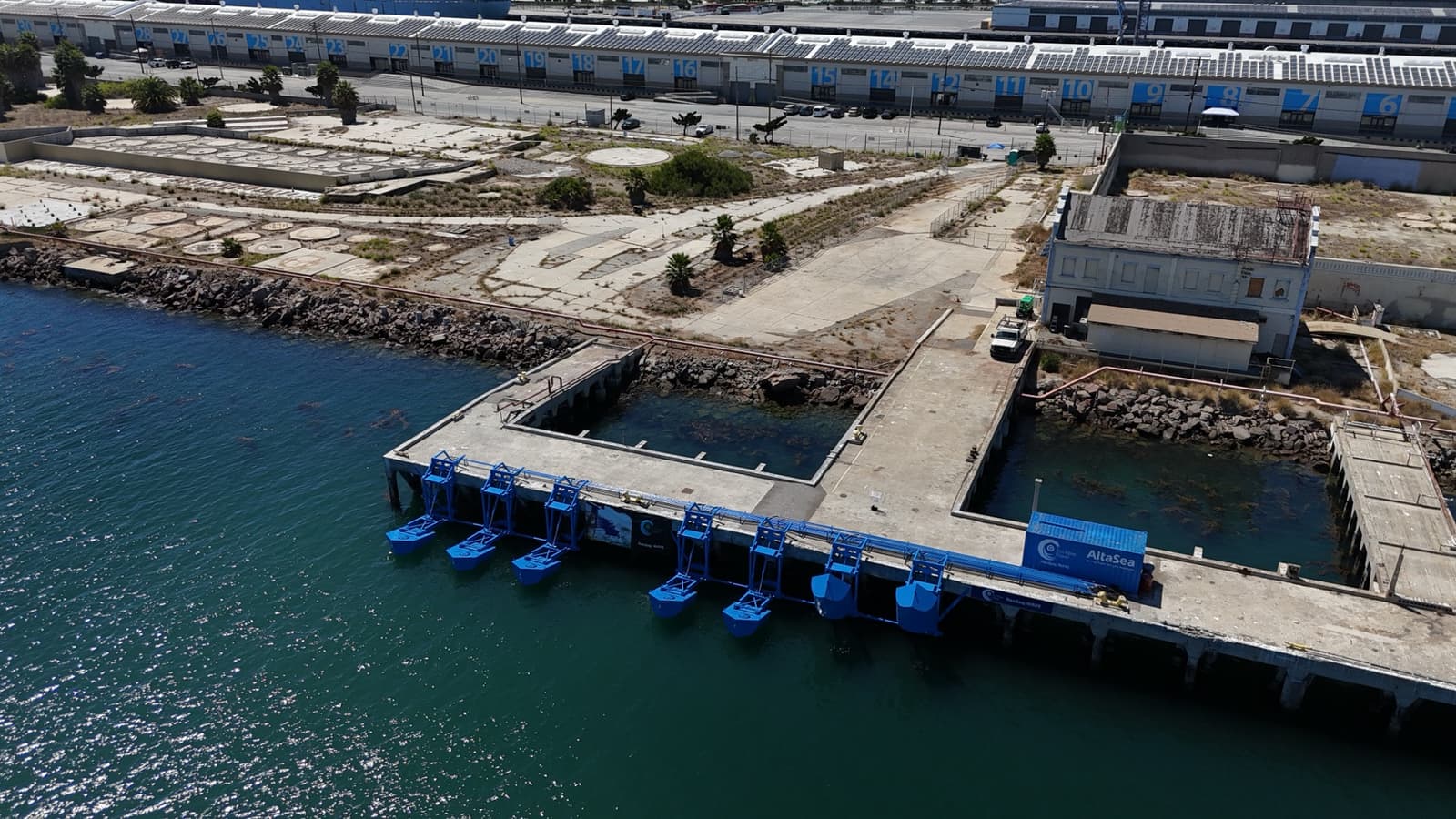
Eco Wave Power announced today, June 22, 2026, that it is integrating NVIDIA’s AI infrastructure and digital‑twin platform to optimize its wave‑energy converters and reduce operational expenses.
Context
According to the NVIDIA Newsroom, the next era of artificial intelligence will be defined less by raw compute and more by the energy required to run it. As AI workloads expand across factories, edge devices, and autonomous systems, global electricity demand is climbing faster than ever. In regions where grid capacity is already strained, companies that can squeeze more output from each kilowatt become valuable.
Eco Wave Power, a developer of floating wave‑energy converters, has turned to NVIDIA’s cloud‑based AI resources to build a digital replica of its offshore farms. The digital twin mirrors real‑time sea conditions, turbine performance, and power output, allowing the AI to simulate thousands of scenarios and recommend the most efficient operating points.
Similar AI‑driven infrastructure is powering other scientific initiatives, such as the U.S. National Science Foundation’s NAIRR pilot, which gives researchers dedicated access to NVIDIA’s cloud compute for projects ranging from protein prediction to disease modeling. NVIDIA also unveiled new software at the ISC conference in Hamburg to accelerate AI for chemistry, materials science, and astronomy, underscoring the breadth of its AI ecosystem.
Impact
By feeding live sensor data into NVIDIA’s AI models, Eco Wave Power expects to trim energy losses that traditionally arise from sub‑optimal blade angles and unexpected wave spikes. Early simulations suggest a potential 15‑20% boost in net power generation per turbine, translating into lower cost‑per‑megawatt‑hour and a smaller carbon footprint for the project.
Cost savings stem not only from higher efficiency but also from reduced reliance on on‑site human intervention. The digital twin can predict maintenance needs weeks in advance, allowing crews to schedule trips only when truly necessary—a significant expense factor for offshore installations.
On a broader scale, the partnership illustrates how AI infrastructure can address the energy‑intensity paradox of modern computing. By deploying AI that makes physical energy systems more efficient, NVIDIA aims to offset the electricity draw of its own accelerated‑computing workloads.
What’s Next
Eco Wave Power plans to roll out the NVIDIA‑powered digital twin across its existing sites over the next twelve months, with a full‑scale pilot slated for early 2027. The company will also explore integrating NVIDIA’s Vera CPUs, recently announced for Los Alamos National Laboratory’s new supercomputers, to run more complex simulations at the edge of the ocean.
Industry observers will watch whether the efficiency gains can be replicated across other marine renewable projects, such as tidal and offshore wind farms. If successful, the model could become a template for energy‑intensive sectors seeking to balance AI ambition with sustainable power consumption.
📎 Related Articles
NVIDIA Blackwell Sets New MLPerf Training Records • Alpamayo 2 Super Model Boosts AI Infrastructure for Robotaxis • France’s New NVIDIA‑Powered AI Infrastructure: Who Benefits and Who Should Wait • How NVIDIA’s AI Factory Could Slash LG’s Compute Costs • Nvidia Nemotron 3 Ultra: The Sharpest Open US Model – Still Behind China • NVIDIA Partners Deploy AI at Cannes Lions, Raising Cost Stakes • NVIDIA Blackwell Ultra Sets New Power‑Efficiency Standard for Agentic AI • What Compute Power Means for Today’s AI Apps
Explore related AI topics