Lead
On June 1, 2026, NVIDIA announced that more than 500 Taiwanese industry titans are supplying over one million MGX rack components for its Vera Rubin AI infrastructure, dramatically speeding the worldwide rollout of agentic AI factories.
Context
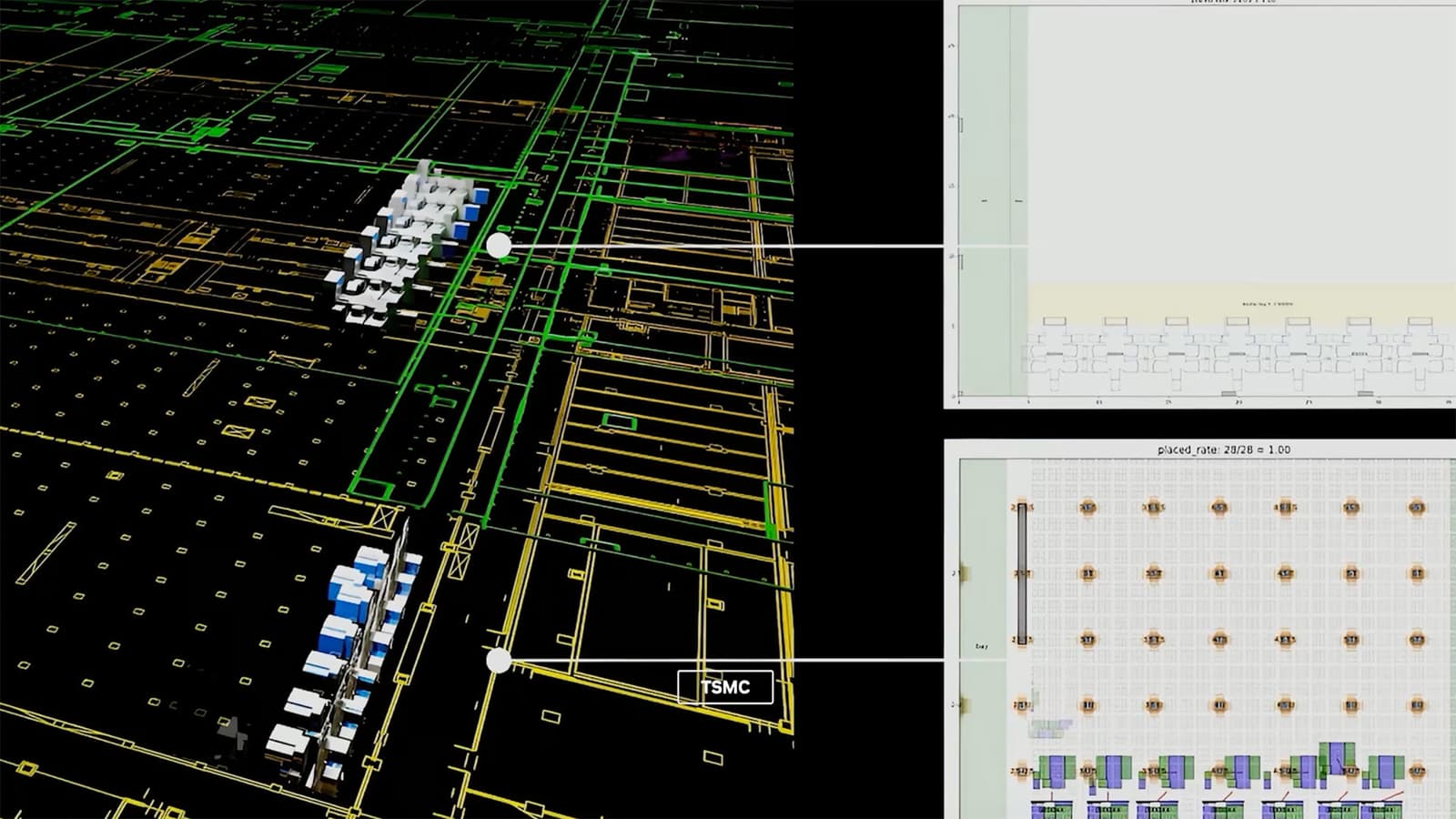
According to the NVIDIA Newsroom, Taiwan hosts a dense network of partners that span the entire NVIDIA ecosystem. The island’s manufacturers, assemblers, and logistics firms collectively operate across 25 factory sites, each contributing to the production of the MGX racks that form the backbone of Vera Rubin’s compute clusters.
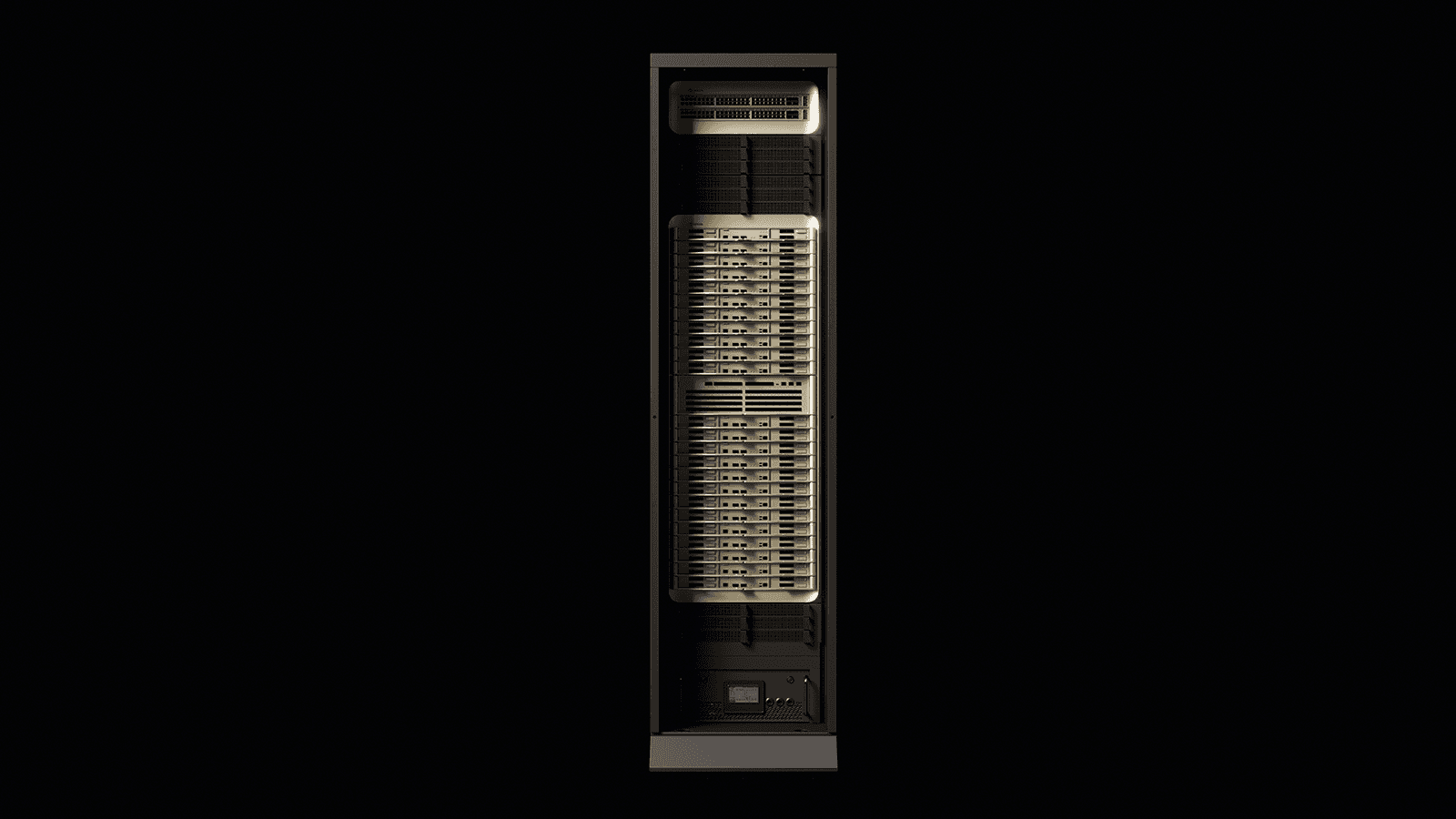
Vera Rubin, NVIDIA’s latest AI‑focused hardware platform, is designed to handle the massive workloads of next‑generation agentic models. By anchoring its supply chain in Taiwan, NVIDIA taps into a region already renowned for high‑volume semiconductor and hardware manufacturing, ensuring a steady flow of components needed for rapid scaling.
Impact on Infrastructure Costs
The sheer volume—over one million rack units—creates economies of scale that can translate into lower per‑unit costs for data‑center operators worldwide. When a single ecosystem can source, assemble, and ship components from dozens of local sites, logistical overhead shrinks, and lead times contract. For organizations planning to deploy Vera Rubin clusters, the Taiwanese supply chain promises a more predictable pricing model compared with fragmented, multi‑region sourcing.
Beyond raw component costs, the integrated supply chain reduces the need for intermediate handling and customs clearance, further trimming expenses. Companies that previously faced multi‑step procurement processes can now tap a single, consolidated source, simplifying budgeting and financial forecasting for AI projects.
What’s Next
As Vera Rubin moves into full production, the Taiwanese ecosystem is expected to expand its role, adding more partners and potentially scaling beyond the initial 25 factories. NVIDIA’s roadmap suggests that the platform will underpin a new wave of agentic AI services, from autonomous systems to large‑scale language models. Stakeholders should watch for announcements on additional factory sites, partnership extensions, and any pricing updates that may follow the scaling of the supply chain.
For enterprises eager to adopt Vera Rubin, the immediate next step is to engage with NVIDIA’s listed Taiwanese partners to secure component allocations. Early adopters will likely benefit from the current supply‑chain momentum, positioning themselves ahead of competitors as the global AI infrastructure demand accelerates.
📎 Related Articles
NVIDIA AI Boosts TSMC Fab Design, Cuts Simulation Time • NVIDIA Launches PC SoC to Broaden AI Infrastructure • NVIDIA Jetson adds agentic AI tools, trims edge compute costs • NVIDIA, Microsoft Unify Agentic AI Stack Across Windows, Azure, and Edge • DuckDuckGo adds no‑AI extensions as traffic surges • NVIDIA AI Cloud Grows Globally to Power Expanding AI Compute • NVIDIA unveils Cosmos 3, an open physical AI model • Alpamayo 2 Super Model Boosts AI Infrastructure for Robotaxis
Explore related AI topics
AI News Today • AI Agents • AI Models • AI Coding Tools • AI Video Tools • Gemini vs ChatGPT • Open Source AI Models