Lead
At COMPUTEX on June 2, NVIDIA announced that JetPack 7.2 will deliver agentic AI skills to Jetson hardware, a move that immediately lowers the compute cost of deploying intelligent robots and autonomous vehicles at the edge.
Context
JetPack 7.2, the latest software stack for NVIDIA Jetson, adds support for the NemoClaw framework, Yocto Project integration and CUDA 13 on Jetson Orin platforms. The update also promises a noticeable performance uplift on the Jetson AGX Orin 32 GB module and introduces Multi‑Instance GPU (MIG) support on the newly announced Jetson Thor board. According to NVIDIA’s newsroom, these enhancements turn the Jetson family into a full‑stack platform for “agentic AI” – AI that can plan, act and adapt in real‑world environments.
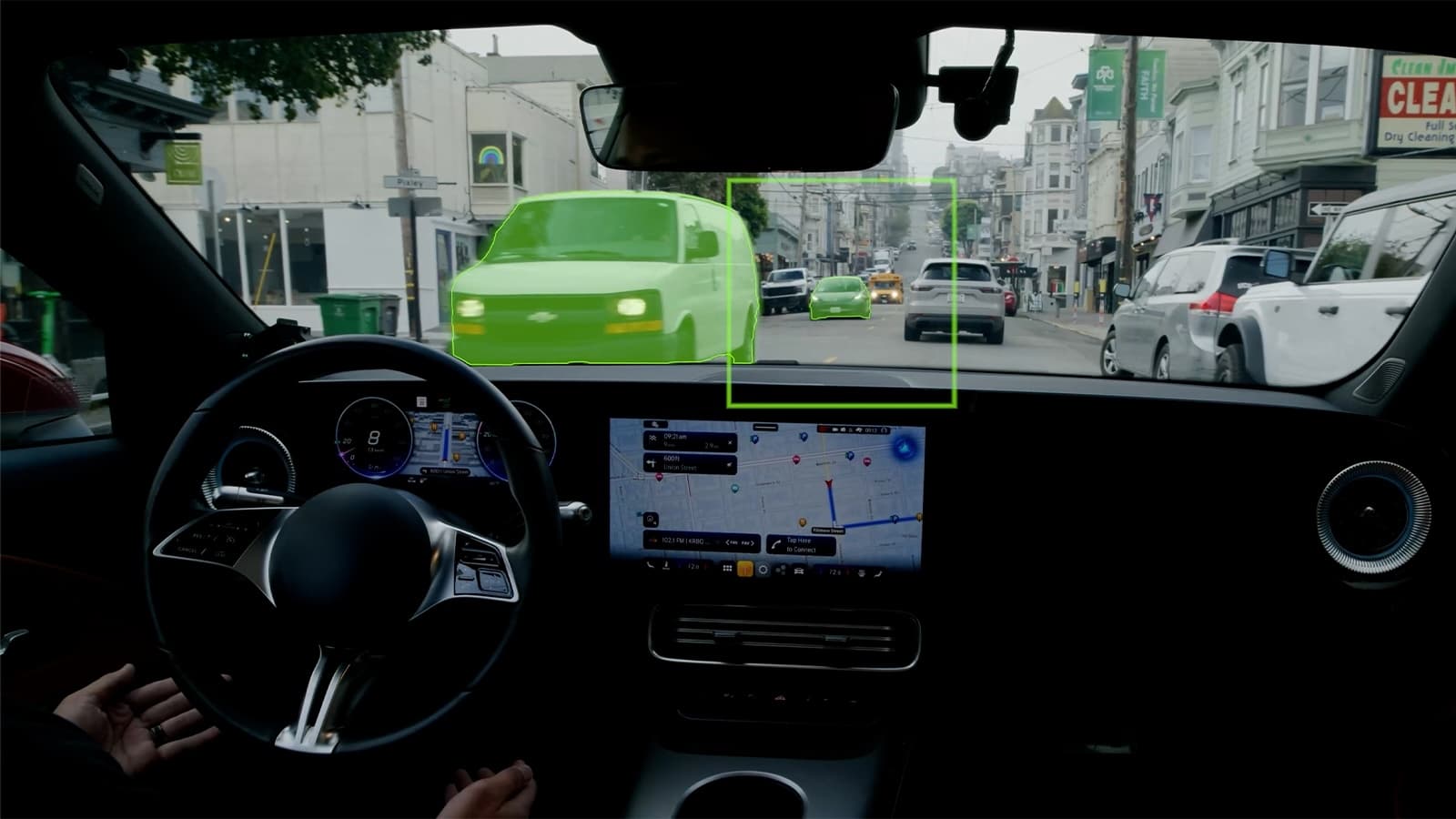
At the same time, NVIDIA’s research presentations at CVPR highlighted new physical‑AI agent skills for autonomous driving, robotics and vision AI. The research shows how tighter integration between scene reconstruction, edge‑case generation, policy training and evaluation can accelerate development cycles for real‑world agents.
Impact
The performance gains on the Jetson AGX Orin 32 GB module translate into faster inference per watt, which directly reduces the energy bill for field‑deployed systems. MIG support on Jetson Thor allows a single GPU to be partitioned into isolated instances, enabling multiple workloads to share the same silicon without interference. This sharing cuts hardware procurement costs because developers can run several agents on one board instead of buying multiple devices.
Agentic AI capabilities mean that developers no longer need to stitch together separate perception, planning and control stacks. By bundling these functions into the JetPack SDK, NVIDIA removes a layer of software engineering, shortening time‑to‑market and trimming labor expenses. The Yocto Project integration also simplifies custom Linux builds, helping OEMs avoid costly third‑party integration services.
From a broader infrastructure perspective, the combination of CUDA 13 and Jetson‑specific optimizations lowers the number of GPU cores required for a given task. Early benchmarks cited by NVIDIA show a “substantial performance gain” on the AGX Orin module, implying that the same workload can be handled by a smaller, cheaper device. For fleets of robots or autonomous vehicles, the aggregate savings on silicon, power and cooling can be significant.
What’s Next
NVIDIA plans to roll out the JetPack 7.2 software to all Jetson customers over the coming weeks, with the first production chips of Jetson Thor expected later this quarter. Researchers showcased at CVPR will continue to publish new agent skills, focusing on advanced grasping and scalable autonomous‑driving training pipelines. Those skills will be packaged as extensions to the JetPack SDK, giving developers a growing library of ready‑to‑use modules.
Industry analysts expect that the tighter hardware‑software coupling will encourage more startups to build edge AI solutions on Jetson, further driving down per‑unit costs through economies of scale. As more autonomous systems adopt the agentic AI stack, the overall expense of deploying intelligent machines in factories, warehouses and on roads is likely to shrink.
📎 Related Articles
NVIDIA, Microsoft Unify Agentic AI Stack Across Windows, Azure, and Edge • Google Unveils Gemini 3.5 at I/O 2026, Ushering an Agentic AI Era • OpenAI Named Leader in Gartner 2026 AI Coding Agents • OpenAI Topped Gartner's 2026 Magic Quadrant for Enterprise Coding Agents • NVIDIA Vera CPU Raises the Bar for Agentic AI Infrastructure • How to Deploy Secure, Autonomous AI Engineers with NVIDIA NemoClaw • AgentOps Review: Managing Agentic AI with Amazon Bedrock AgentCore • Turn Fleet Data Overload into Daily Insights with Agentic AI
Explore topic hubs
AI News Today • AI Tools • AI Agents • AI Models • AI Coding Tools