Thesis
Google’s I/O 2026 rollout of a hundred new products and features is less a showcase of variety than a clear statement: the company is committing its entire ecosystem to AI as the default interface.
Evidence
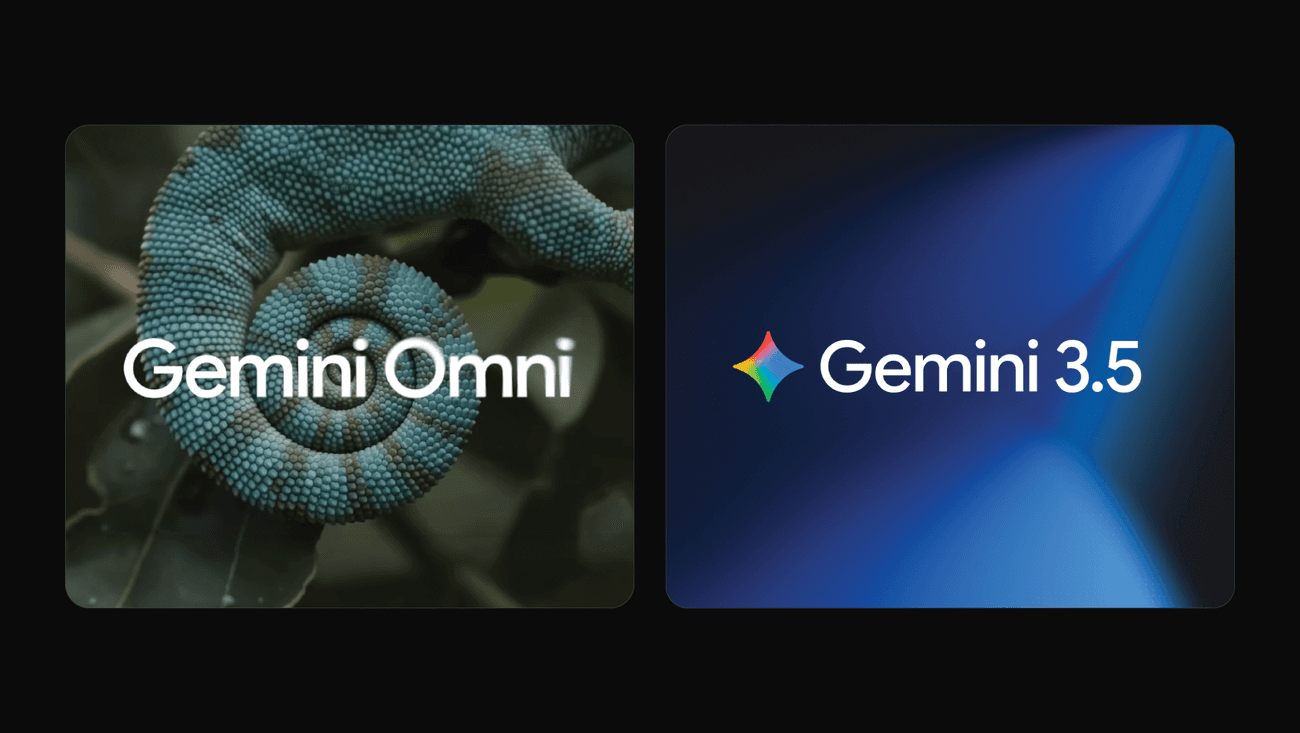
According to the Google AI Blog’s “100 things we announced at I/O 2026” post, the headline announcements include Gemini Omni, Google Antigravity, and Universal Cart. Gemini Omni expands the Gemini family, positioning it as a universal model that can handle text, image, and multimodal queries without the need for separate APIs.
The same post lists Google Antigravity, a hardware‑oriented platform that promises to reduce latency for on‑device AI inference, and Universal Cart, a cross‑service shopping solution that aggregates purchase data across Google’s consumer products.
In a companion announcement titled “New ways to create and get things done in Google Workspace,” Google added voice capabilities to Gmail, Docs, and Keep, introduced a design‑focused tool called Google Pics, and refreshed AI Inbox. The voice upgrades let users dictate, edit, and search within core productivity apps using natural language, while Google Pics offers AI‑assisted image generation and editing directly inside the Workspace suite.
Both releases were published within a week of each other (May 19‑20, 2026), indicating a coordinated effort to embed generative AI across both consumer‑facing services and enterprise tools.
Context
Google’s previous I/O events have typically split announcements between Android, cloud, and AI research. This year’s concentration on AI‑driven features reflects the company’s response to the broader industry shift toward large language models and generative media. By bundling a multimodal model (Gemini Omni) with hardware acceleration (Antigravity) and a commerce‑centric layer (Universal Cart), Google appears to be constructing a vertically integrated stack that can serve developers, merchants, and end‑users alike.
The Workspace updates illustrate how the AI push extends beyond consumer products. Voice‑enabled editing reduces friction for knowledge workers, while AI Inbox promises smarter prioritization of email. Google Pics adds a creative outlet that competes with external design platforms, keeping more workflow inside Google’s cloud.
These moves echo the company’s earlier statements about making AI “everywhere,” but the sheer volume—one hundred distinct announcements—suggests a strategic acceleration rather than a gradual rollout.
Counter‑Arguments
Critics might argue that the breadth of announcements dilutes focus. A hundred items could include minor tweaks alongside headline features, making it hard to assess real impact. Additionally, the lack of detailed performance metrics for Gemini Omni or Antigravity leaves open questions about whether these tools will outperform existing solutions.
Another concern is developer fatigue. Integrating new APIs for a universal model, a hardware acceleration layer, and a unified cart system may require substantial refactoring of existing codebases. Smaller developers could find the learning curve steep, potentially slowing adoption.
Finally, the Workspace voice features raise privacy considerations. Continuous voice processing inside Gmail and Docs may trigger regulatory scrutiny, especially in regions with strict data‑handling laws.
Prediction
If Google can deliver on the promise of a single model that handles multimodal tasks, Antigravity’s on‑device speed gains could make AI‑enhanced features feel native rather than add‑on. Universal Cart’s cross‑service data aggregation may give Google a competitive edge in e‑commerce analytics, nudging merchants toward the Google ecosystem.
In the next 12‑18 months, we should expect a wave of third‑party extensions that rely on Gemini Omni’s API, a rise in AI‑powered shopping experiences powered by Universal Cart, and broader enterprise adoption of voice‑first productivity tools. Success will depend on how quickly Google translates these announcements into stable, developer‑friendly products.
📎 Related Articles
Google I/O 2026 Dialogues: Why AI Integration Is Now an Expectation, Not a Feature • Google’s I/O 2026: A 100‑point push toward unified AI • How to Navigate Google I/O 2026’s 100 Announcements • Why Google’s I/O 2026 Announcements Signal a Shift, Not a Sprint • Google’s I/O 2026 Blitz: 100 Announcements Point to an AI‑First Future • Google I/O 2026 Dialogues: The Push Toward a Unified AI Ecosystem • Google I/O 2026 Dialogues: AI Moves From Demo to Daily Core • Google I/O 2026 Unveils a Hundred New Tools – What It Means