Thesis: Google is betting on a single AI fabric that stitches together everything you type, speak, shop, or create.
At this year’s I/O, Google didn’t just add a few features; it rolled out a hundred new pieces of technology that together form a tightly woven AI layer. The headline names—Gemini Omni, Google Antigravity, Universal Cart—hint at a strategy that blurs the line between core services, consumer hardware, and productivity tools.
Evidence from the I/O showcase
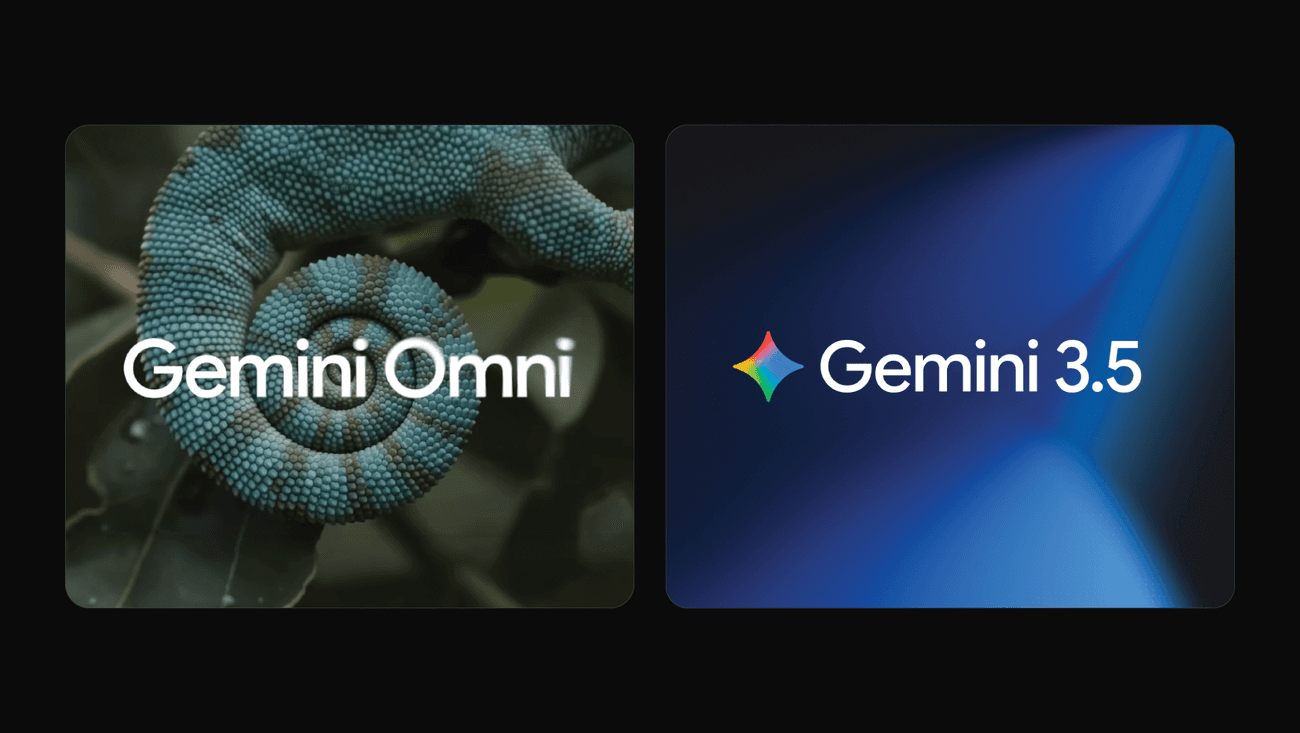
According to the Google AI Blog’s “100 things we announced at I/O 2026” post, the company highlighted Gemini Omni, a model that expands the Gemini family into multimodal, real‑time assistance across devices. Google Antigravity, described as a new hardware concept, promises to rethink how users interact with physical objects using AI‑driven gestures. Universal Cart aims to make online shopping a seamless, cross‑platform experience, letting users add items to a single cart from any Google‑powered surface.
The same blog also announced a suite of Workspace upgrades. Voice‑enabled Gmail, Docs, and Keep let users dictate, edit, and organize without lifting a finger. Google Pics, a fresh design tool, brings generative image creation directly into the productivity suite. Finally, the AI Inbox revamp promises smarter email triage, automatically surfacing important threads.
Context: From isolated AI tricks to a cohesive fabric
Google’s AI journey has been incremental. Early experiments added single‑purpose bots to Search and Maps. Over the past few years, the Gemini series grew in capability, but each model lived in its own silo. I/O 2026 marks the first time the company bundles those capabilities under one umbrella—Omni—while simultaneously embedding AI into the everyday tools people already use.
In the broader market, rivals have also been layering AI onto existing products. Yet Google’s approach differs by announcing a full hundred items in one sweep, suggesting a coordinated roadmap rather than ad‑hoc add‑ons.
Counter‑arguments: Hype versus deliverable value
Critics may argue that announcing a hundred items dilutes focus. Not every feature will reach maturity; some could be prototypes shown for buzz. Privacy advocates will likely scrutinize the deeper integration of voice and generative image tools, asking how data will be handled across the new ecosystem.
Moreover, the hardware claim—Google Antigravity—raises questions about feasibility. Without concrete specifications, it risks being perceived as a concept rather than a marketable product.
Prediction: A gradual convergence of AI into daily workflows
If Google follows through, the next two years will see a steady rollout: Gemini Omni will power smarter suggestions in Gmail, Docs, and Keep; Universal Cart will become the default checkout for Chrome‑based shopping; and Google Pics will evolve into a go‑to visual brainstorming tool for teams.
Enterprise customers will likely adopt the AI‑enhanced Workspace first, as the productivity gains are tangible. Consumer adoption of the hardware ideas may lag, but the underlying AI models will still shape user expectations for how devices respond to speech and gestures.
In short, the I/O 2026 announcements lay the groundwork for an ecosystem where AI is the connective tissue, not an optional add‑on.
📎 Related Articles
Google’s I/O 2026 Blitz: 100 Announcements Point to an AI‑First Future • Google I/O 2026 Dialogues: The Push Toward a Unified AI Ecosystem • Google I/O 2026 Unveils a Hundred New Tools – What It Means • Google I/O 2026 Dialogues: Why the Talk Matters More Than the Tech • Why Google’s I/O 2026 Announcements Signal a Shift, Not a Sprint • Google I/O 2026 Dialogues Reveal an AI‑First Office • Google I/O 2026 Dialogues: AI Moves From Demo to Daily Core • Google Workspace Gets Voice, Visuals and AI Inbox Upgrades