Thesis
Google’s I/O 2026 showcase signals a decisive shift from incremental upgrades to a sprawling ecosystem where artificial intelligence, new hardware concepts, and commerce tools converge into a single user experience.
Evidence
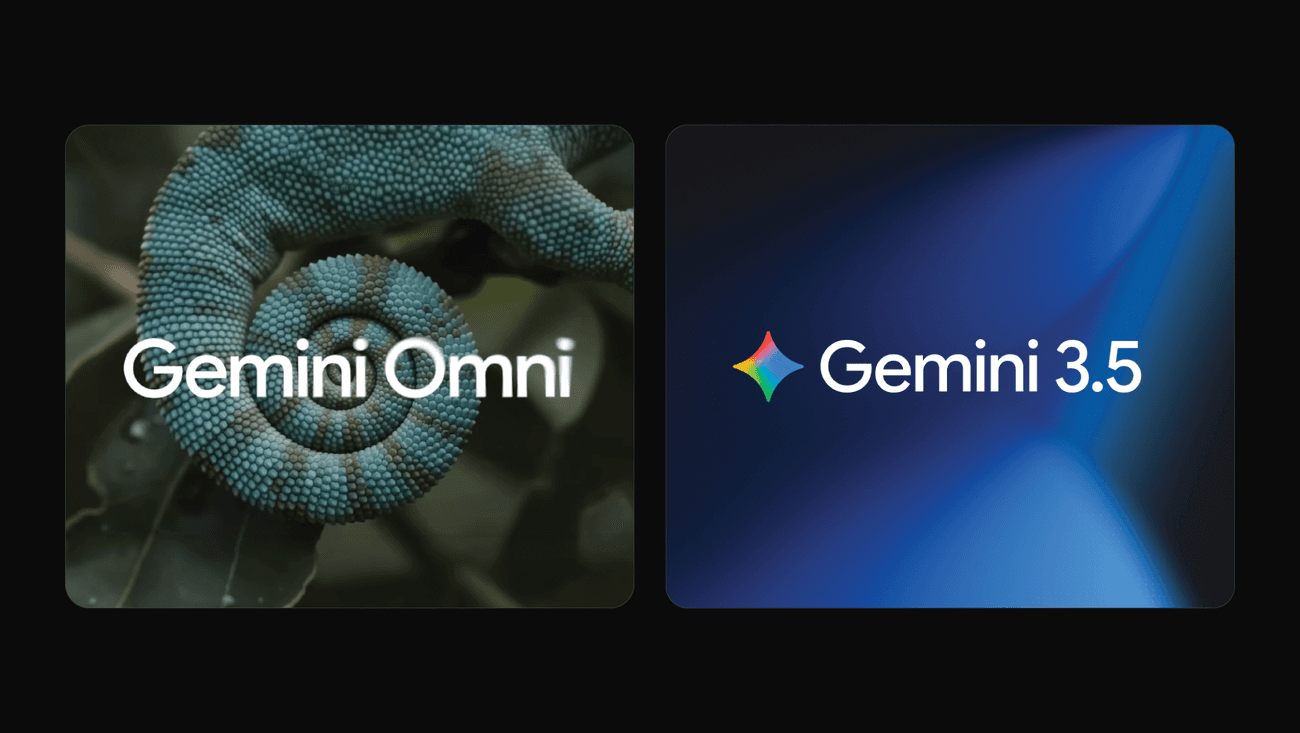
According to the Google AI Blog’s “100 things we announced at I/O 2026” post, the company introduced a suite of headline‑making projects: Gemini Omni, a next‑generation AI model; Google Antigravity, a hardware concept that promises friction‑free interaction; and Universal Cart, a platform‑wide shopping experience. The same blog post lists dozens of other additions, indicating a breadth that stretches across search, cloud, and consumer services.
In a companion announcement about Google Workspace, the blog highlighted new voice capabilities embedded directly into Gmail, Docs, and Keep, a fresh design utility called Google Pics, and upgrades to AI‑driven Inbox. These updates illustrate that the AI push is not limited to a single product line but is woven into daily productivity tools.
Context
Google’s annual I/O conference has traditionally served as a bellwether for the company’s strategic direction. The 2026 agenda, released on May 20, arrives after a series of AI‑focused releases that began with the Gemini family earlier in the year. By bundling a hundred distinct announcements, Google appears to be consolidating its AI ambitions with tangible hardware experiments (Antigravity) and commerce infrastructure (Universal Cart). The Workspace enhancements echo a broader industry trend where voice interaction is moving from niche assistants to core office software.
From a market perspective, the timing aligns with competitors expanding their own AI‑centric portfolios. Google’s decision to announce a hardware prototype—Antigravity—suggests a willingness to explore form factors that could eventually complement its cloud‑based services. Meanwhile, Universal Cart hints at an ambition to own more of the e‑commerce value chain, potentially reducing reliance on third‑party platforms.
Counter‑Arguments
Critics may argue that announcing a hundred items dilutes focus, making it hard for developers and enterprises to prioritize which tools deserve attention. The lack of detailed roadmaps for many of the announced features could lead to skepticism about whether they will materialize beyond concept stages. Moreover, integrating voice into Workspace, while convenient, raises concerns about privacy and data handling, especially in regulated industries.
Another point of contention is the feasibility of Antigravity as a consumer‑ready product. Without concrete specifications, skeptics could view it as a speculative showcase rather than a near‑term offering. Finally, Universal Cart’s ambition to standardize shopping across Google services may clash with existing merchant agreements, potentially slowing adoption.
Prediction
If Google follows through on the most visible announcements, the next 12‑18 months will likely see Gemini Omni powering deeper personalization across Search and Assistant, while Workspace’s voice features become default options for enterprise customers seeking hands‑free workflows. Antigravity may remain a research platform for now, but its concepts could trickle down into future device ergonomics. Universal Cart, if integrated early into Shopping and Search, could reshape how users discover and purchase products without leaving Google’s ecosystem.
Overall, the I/O 2026 rollout suggests that Google is betting on an interconnected suite of AI‑enhanced experiences. Success will hinge on execution speed, developer adoption, and the company’s ability to address privacy concerns head‑on.
📎 Related Articles
Google’s I/O 2026 Blitz: 100 Announcements Point to an AI‑First Future • Google I/O 2026 Dialogues: The Push Toward a Unified AI Ecosystem • Google I/O 2026 Dialogues Reveal an AI‑First Office • Why Google’s I/O 2026 Announcements Signal a Shift, Not a Sprint • Google I/O 2026 Dialogues: Why the Talk Matters More Than the Tech • Google I/O 2026 rolls out 100 new tools and services • Google AI's Missouri Investment Signals New Workforce Focus • Google I/O 2026 Dialogues: Why AI Integration Is Now an Expectation, Not a Feature