Thesis
Google’s I O 2026 isn’t a showcase of isolated gadgets; it is a coordinated pivot toward an AI‑first, cross‑product ecosystem that will change the calculus of everyday computing.
Evidence
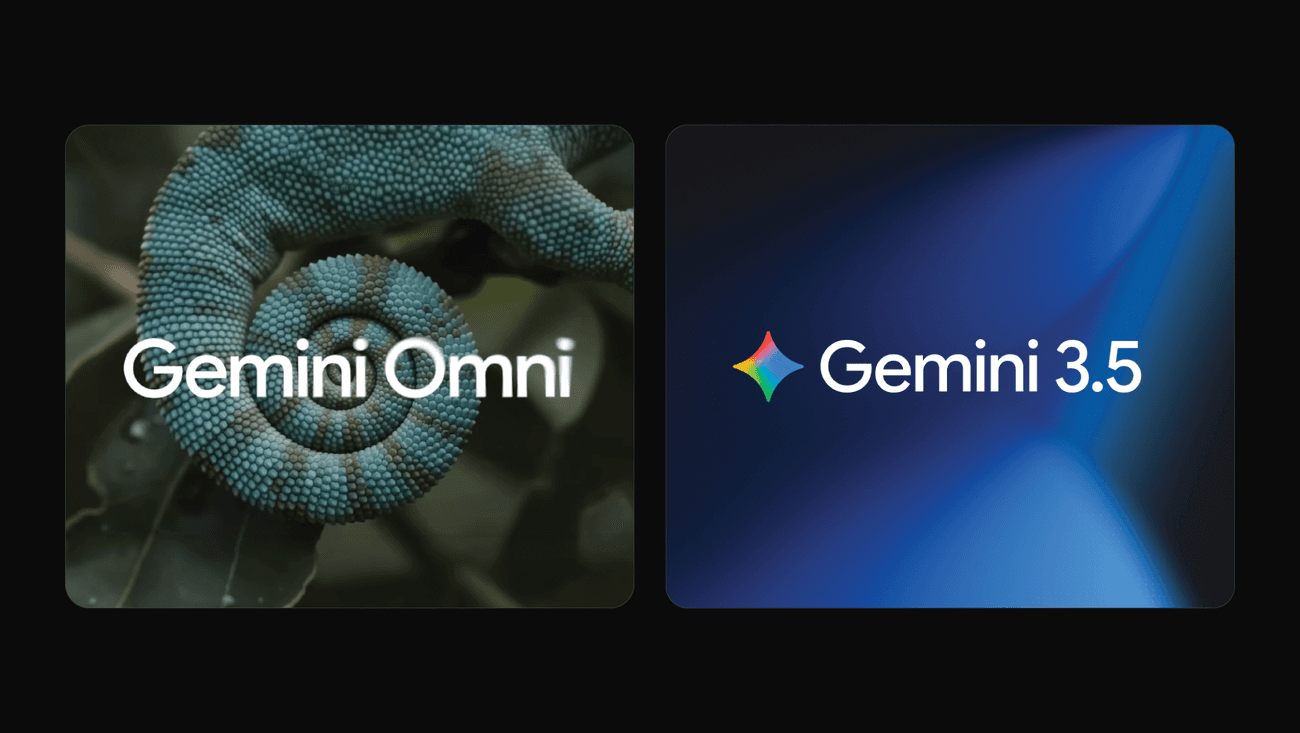
During the keynote, Google unveiled a suite of new tools that illustrate this direction. The headline AI model, Gemini Omni, promises a single, adaptable brain for everything from search to image generation. Hardware received a futuristic twist with Google Antigravity, a device that blurs the line between physical and digital interaction. The Universal Cart aims to unify shopping experiences across Android, Chrome and Wear OS.
In the productivity arena, Google announced a set of voice‑first features for Gmail, Docs and Keep, letting users dictate, edit and organize without lifting a finger. A brand‑new design tool called Google Pics brings generative image editing directly into Workspace, while the AI‑enhanced Inbox learns to prioritize messages based on context. All of these items appear in the official “100 things we announced at I/O 2026” list, confirming they are part of a broader rollout rather than isolated experiments.
According to the Google AI Blog, the announcements were presented as a cohesive set of capabilities meant to work together, not as standalone novelties (Google AI Blog, May 20 2026).
Context
Google’s previous I/O events have often split focus between Android updates, cloud services and incremental AI tweaks. This year’s 100‑item list, however, clusters AI at the core of every product category. The Gemini Omni model replaces a patchwork of specialized models with a single, more versatile engine, echoing a trend seen across the industry where firms consolidate AI workloads to reduce latency and cost.
Workspace’s new voice capabilities echo the company’s earlier push for conversational AI in Search and Assistant, but now they are embedded directly in the documents that power businesses. By integrating generative image tools like Google Pics, Google blurs the line between creative and productive software, a move that mirrors the growing expectation that AI should assist in both ideation and execution.
Counter‑Arguments
Critics argue that announcing 100 features at once dilutes focus and raises the risk of overpromising. Some analysts worry that a single AI model, such as Gemini Omni, could become a single point of failure if it fails to meet diverse performance benchmarks. Privacy advocates also point to the deeper integration of voice and AI assistants as a potential vector for data collection, especially in enterprise environments where sensitive information flows through Gmail and Docs.
Furthermore, hardware enthusiasts question whether Google Antigravity can deliver on its ambitious claims without a clear roadmap for manufacturing and pricing. The Universal Cart, while conceptually appealing, must contend with entrenched e‑commerce platforms that already dominate the market.
Prediction
If Google can align these announcements under a unified development timeline, the next two years will see tighter coupling between AI services and everyday workflows. Enterprises are likely to adopt the voice‑first Workspace tools first, as they promise immediate productivity gains. Consumer adoption of Gemini Omni‑powered features will follow, especially as they become default experiences in Search and Android.
Hardware like Antigravity may remain a niche product, but its underlying sensor suite could trickle down into future Pixel phones, giving Google a subtle competitive edge. The Universal Cart could evolve into a platform‑agnostic checkout layer, nudging merchants toward Google’s broader advertising and cloud ecosystem.
Overall, the I/O 2026 announcements suggest that Google is betting on an integrated AI fabric to lock users into its ecosystem, a strategy that could reshape both consumer habits and enterprise tech stacks over the next decade.
📎 Related Articles
Google I/O 2026 Dialogues Stage Signals AI’s Shift to Everyday Workflows • Google I/O 2026: Why 100 Announcements Aren’t All That Impressive • Why Google’s I/O 2026 Announcements Signal a Shift, Not a Sprint • Google I/O 2026: 100 Announcements Signal an Aggressive Shift Toward Integrated AI • Google I/O 2026 Unveils a Hundred New Tools – What It Means • Google I/O 2026 Dialogues: The Push Toward a Unified AI Ecosystem • Google I/O 2026 Dialogues Reveal an AI‑First Office • Google I/O 2026 Dialogues: Why AI Integration Is Now an Expectation, Not a Feature