Thesis: Google is turning AI from a feature into a product family
At this year’s I/O, Google didn’t just add a handful of AI tricks – it unveiled a hundred distinct offerings, each built around artificial intelligence. The breadth of the list, from Gemini Omni to Google Antigravity, suggests the company is treating AI as a product line rather than a supplemental technology.1
Evidence: The headline‑grabbing announcements
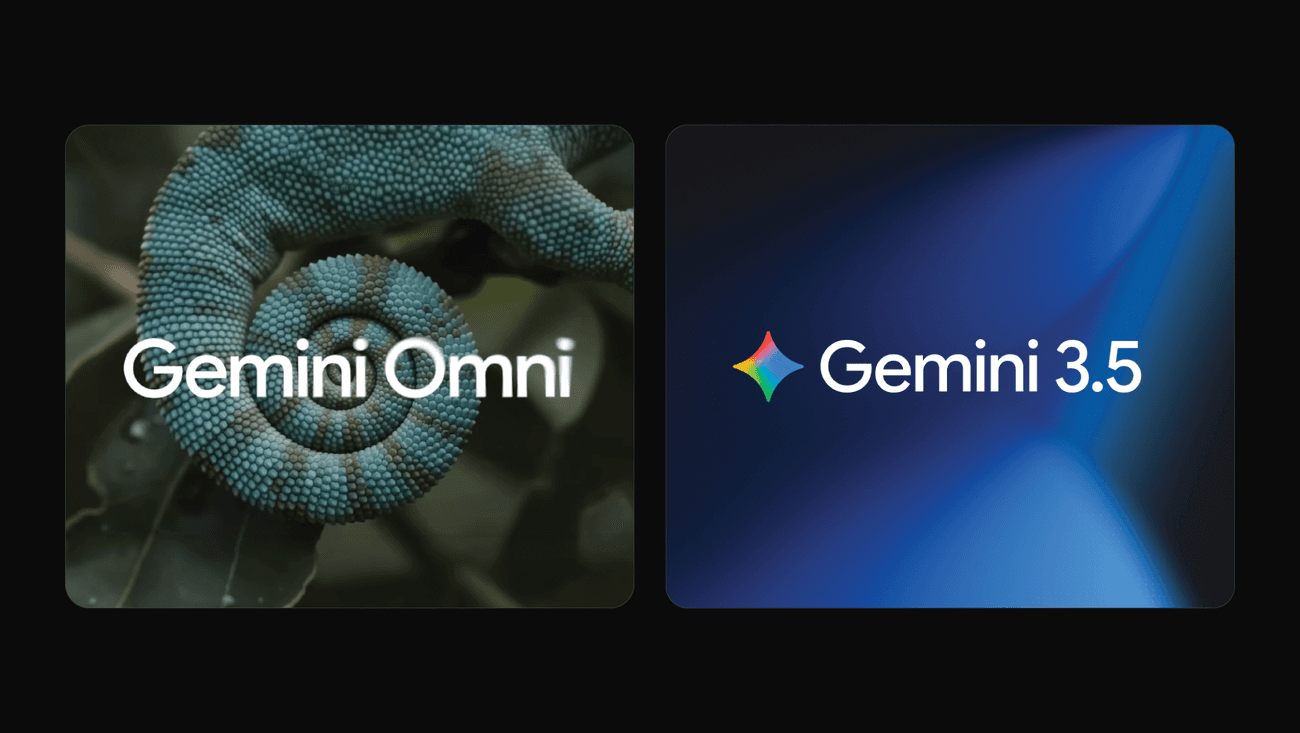
Google’s official I/O recap lists Gemini Omni, a next‑generation multimodal model that promises to understand text, images, and sound in a single interface. Alongside it, Google Antigravity appears to target developers who need physics‑aware simulation tools, while Universal Cart hints at a unified shopping experience powered by AI recommendation engines.1 The sheer number – one hundred items – underscores a strategic intent to saturate every corner of Google’s ecosystem with AI‑infused services.
In the productivity arena, the company rolled out voice capabilities that let users compose, edit, and search within Gmail, Docs, and Keep using natural speech. A brand‑new design tool called Google Pics joins the lineup, offering AI‑assisted image creation directly inside the Workspace suite. Finally, AI Inbox receives updates that aim to surface the most relevant messages without manual sorting.2
Context: AI as the connective tissue of Google’s portfolio
Google’s history of integrating AI into search, advertising, and cloud services provides a familiar backdrop. The I/O announcements amplify that pattern, moving AI from back‑office algorithms to front‑line user experiences. By naming products such as Gemini Omni, Google signals an ambition to compete directly with other large‑scale multimodal models that dominate the research community.
The voice upgrades in Workspace echo earlier experiments with Smart Compose and AI‑driven suggestions, but now the interaction model shifts from typed prompts to spoken dialogue. Google Pics extends AI‑generated imagery, a capability previously demonstrated in experimental labs, into a production‑ready tool for everyday creators. These moves collectively tighten the feedback loop between user intent and AI response across both consumer and enterprise domains.
Counter‑Arguments: Risks of over‑extension and user fatigue
Critics argue that flooding the market with a hundred AI products may dilute quality. When every app receives a new AI veneer, users could face inconsistent performance, steep learning curves, and privacy concerns. The rapid rollout also gives competitors a chance to highlight gaps—especially if any of the announced tools fail to meet expectations in real‑world usage.
Another concern is ecosystem lock‑in. By embedding AI deeply into Gmail, Docs, and Keep, Google makes it harder for users to switch to alternative platforms without losing AI‑enhanced productivity. While this strengthens Google’s moat, it may also provoke regulatory scrutiny over data handling and market dominance.
Prediction: AI will become the default interface for Google services
If the announced tools deliver on their promises, the next few years will see AI replace many traditional UI elements. Gemini Omni could become the default engine behind search, image search, and even code assistance. Voice‑first interactions may evolve from optional features to the primary way users command their inbox and documents. Google Pics might expand into a full‑fledged creative suite, challenging established design software.
In the longer view, the strategy of releasing a hundred AI products at once hints at a modular architecture where new capabilities can be swapped in and out across services. That would enable Google to iterate faster, respond to user feedback, and stay ahead of rivals who introduce AI features more piecemeal. The gamble is large, but the potential payoff—making AI the invisible glue of every Google experience—could redefine how billions of users work, shop, and create.
📎 Related Articles
Google’s I/O 2026: 100 Announcements and What They Mean • Google’s I/O 2026: A 100‑point push toward unified AI • Why Google’s I/O 2026 Announcements Signal a Shift, Not a Sprint • Google I/O 2026: Why 100 Announcements Aren’t All That Impressive • Google I/O 2026 Dialogues Reveal an AI‑First Office • Google’s I/O 2026 Unveils 100 New Tools—A Test of Depth Over Flash • Google I/O 2026 Dialogues: AI Moves From Demo to Daily Core • Google’s I/O 2026 Blitz: 100 Announcements Point to an AI‑First Future