Thesis
Google’s Dialogues stage at I/O 2026 does more than showcase futuristic ideas; it marks a decisive turn toward an AI ecosystem that will embed intelligent features into the core of work, collaboration, and consumer subscriptions.
Evidence from the Dialogues Stage
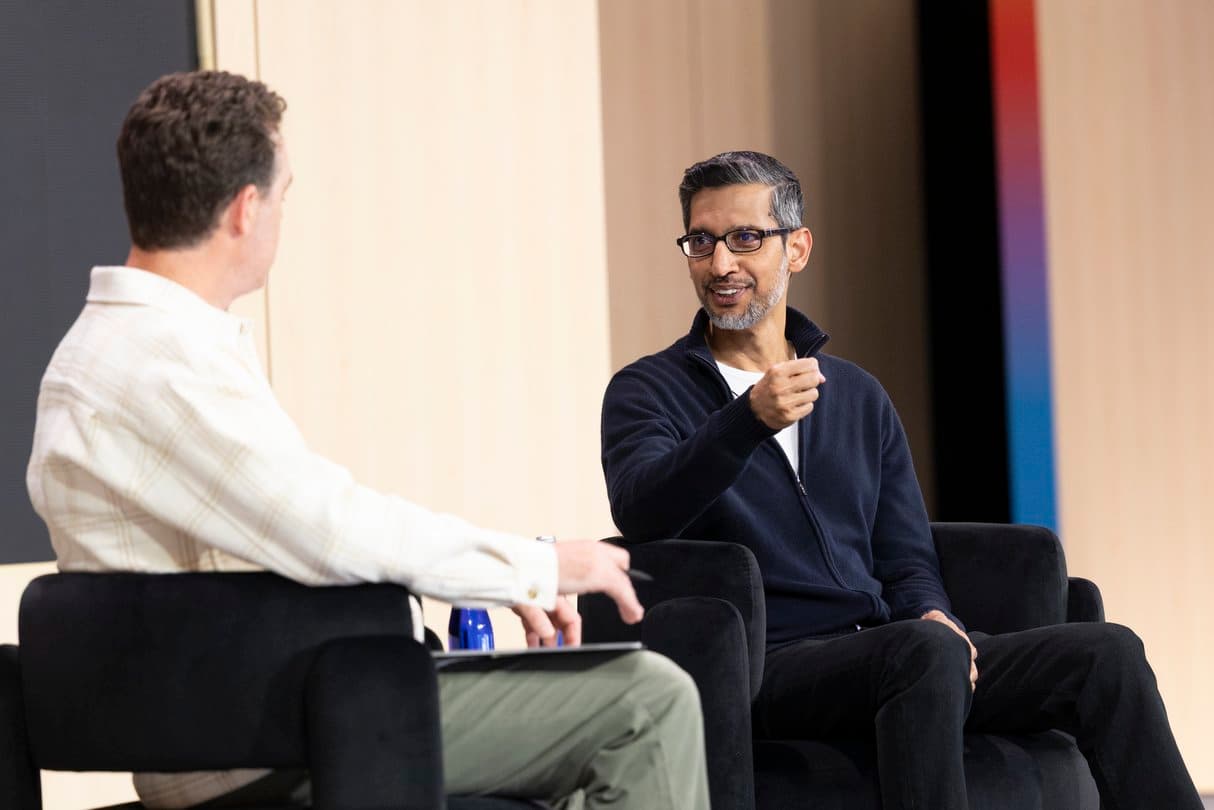
The Dialogues program, recapped on May 22, 2026, gathered leaders to discuss the future of AI, quantum computing, robotics, and creativity. According to the Google AI Blog, the conversations emphasized concrete pathways for AI to move from research labs into products that people use daily.
Key takeaways included:
- AI‑driven creativity tools that can co‑author text, generate images, and assist in design.
- Quantum‑informed algorithms that promise faster optimization for complex tasks.
- Robotics interfaces that learn from human gestures and voice commands.
While the recap does not list specific product launches, the emphasis on “future of AI” suggests a roadmap that aligns with other announcements made at the same conference.
Broader Context: Google’s AI Push in 2026
Just two days earlier, Google unveiled a suite of AI‑enhanced features for Workspace. Voice capabilities now sit inside Gmail, Docs, and Keep, allowing users to draft, edit, and organize content hands‑free. The same blog post announced “Google Pics,” a design tool that leverages generative models to create visual assets on the fly. Google AI Blog framed these updates as “new ways to create and get things done,” reinforcing the narrative that AI is becoming a standard productivity aid.
Collaboration also received a boost. On May 20, Google revealed an experiment called Google Beam that projects meeting participants at true‑to‑life size and sound, making hybrid meetings feel more inclusive. The blog highlighted the technology’s ability to bridge the gap between remote and in‑person attendees, a problem that has lingered since the pandemic.
Finally, the company rolled out a tiered AI subscription model, introducing a $100 “AI Ultra” plan alongside upgraded benefits for existing Plus and Pro levels. Google AI Blog positioned the Ultra tier as a gateway to the most advanced models, extended usage limits, and priority support.
When read together, these announcements paint a picture of an ecosystem where AI is not an add‑on but a foundational layer across email, documents, design, meetings, and even billing.
Contextualizing the Shift
Historically, Google has released AI research in bursts—TensorFlow, BERT, and more recently Gemini—before packaging it into products. The Dialogues stage, however, bundled discussions of future tech with immediate product rollouts, blurring the line between vision and execution.
Industry analysts have noted that the “AI‑first” mantra has become a marketing slogan for many tech firms. Google’s simultaneous focus on quantum computing and robotics, as mentioned in the Dialogues recap, suggests a broader ambition: to tie together disparate research threads under a single consumer‑facing umbrella.
By integrating AI voice controls into Gmail and Docs, Google removes a friction point that has slowed adoption of generative tools. The Beam experiment tackles a social friction point—meeting fatigue—by making remote presence feel physical. The subscription tiers create a revenue stream that can sustain heavy compute costs, a model that mirrors how cloud providers monetize AI services.
Counter‑Arguments and Skepticism
Not everyone sees the rollout as a seamless transition. Critics argue that embedding AI into core tools may raise privacy concerns, especially when voice data is processed in the cloud. The Dialogues recap did not address data governance, leaving a gap that privacy advocates are likely to highlight.
Another line of criticism focuses on the subscription pricing. A $100 monthly fee for the Ultra tier may be prohibitive for small businesses or individual creators, potentially widening the gap between AI‑rich and AI‑poor users. The blog post about the subscription plan lists the price but does not explain how the added features justify the cost.
Technical skeptics also point out that quantum computing is still in its infancy. While the Dialogues stage touted “quantum‑informed algorithms,” no concrete timeline was offered, making it hard to gauge when, or if, those benefits will materialize for everyday users.
Finally, the Beam experiment, while impressive, relies on specialized hardware and high‑bandwidth connections. Companies without the budget for such infrastructure may find the solution out of reach, limiting its impact to well‑funded enterprises.
Looking Ahead: What Comes Next?
If the Dialogues stage is any indicator, Google will continue to weave AI deeper into its product fabric. Expect the following trends to accelerate over the next twelve months:
- AI‑enhanced collaboration tools. Beam‑like experiences may become optional plugins for Meet, extending the “true‑to‑life” feel to a broader audience.
- Expanded subscription tiers. The Ultra plan could serve as a testing ground for premium features that later trickle down to lower tiers, creating a ladder of capability.
- Quantum‑ready APIs. Developers may soon see beta endpoints that expose quantum‑informed optimization, allowing early adopters to experiment before hardware becomes mainstream.
- Privacy‑by‑design controls. In response to criticism, Google may roll out granular consent dashboards for voice and generative data, making the ecosystem more transparent.
These moves would reinforce the thesis that Google is shifting from showcasing AI possibilities to embedding them into the daily workflow of its users. The Dialogues stage, rather than being a one‑off showcase, appears to be the opening act of a longer performance.
📎 Related Articles
Google I/O 2026 Dialogues Reveal an AI‑First Office • Google I/O 2026 Dialogues: Why AI Integration Is Now an Expectation, Not a Feature • Google I/O 2026 Dialogues: AI Moves From Demo to Daily Core • Google I/O 2026: 100 Announcements Signal an Aggressive Shift Toward Integrated AI • Google I/O 2026 Dialogues: Why the Talk Matters More Than the Tech • Google I/O 2026 Dialogues: The Push Toward a Unified AI Ecosystem • Why Google I/O’s Dialogues Stage Signals an AI‑First Workplace • Google I/O 2026 Unveils a Hundred New Tools – What It Means