What did the Dialogues stage actually deliver?
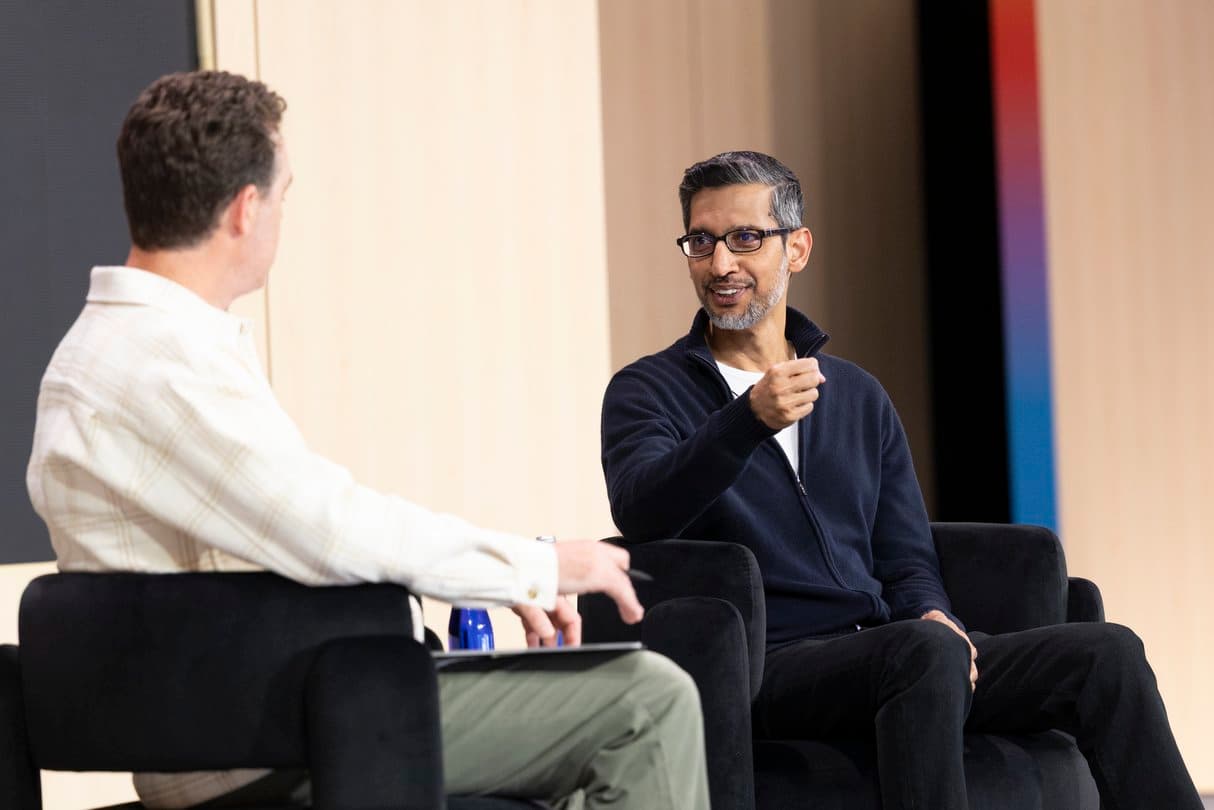
Everyone who watched the live stream kept asking, ‘What does Google think AI will look like in the next five years?’ The answer came from the Dialogues stage, where senior leaders unpacked the future of artificial intelligence, quantum computing, robotics and creativity. According to the Google AI Blog, the session was framed as a forward‑looking conversation rather than a product showcase, emphasizing research directions and societal impact (https://blog.google/innovation-and-ai/technology/ai/io-2026-dialogues-recap/).
Artificial intelligence: From assistant to collaborator
Think of AI as a co‑pilot rather than an autopilot. On the Dialogues stage, speakers described models that can suggest, edit and even generate content while you work, shifting the user from command‑entering to idea‑shaping. That shift mirrors the new voice capabilities announced for Gmail, Docs and Keep a week earlier, where users can dictate, ask for summaries and retrieve information without touching a keyboard (https://blog.google/products-and-platforms/products/workspace/workspace-updates/). The combination of conversational AI and hands‑free interaction points to a future where the computer anticipates needs as naturally as a teammate does.
Quantum computing: A new kind of horsepower
Imagine trying to solve a maze by trying every possible path at once. Quantum processors aim to do exactly that, exploring many solutions simultaneously. While the Dialogues stage didn’t unveil a commercial quantum chip, the discussion framed quantum as a catalyst for breakthroughs in material science, cryptography and AI training. The same spirit of expanding reality showed up in Google Beam’s experimental group‑meeting tool, which renders colleagues at true‑to‑life size and sound, making hybrid gatherings feel less like a video call and more like sharing a room (https://blog.google/innovation-and-ai/models-and-research/google-research/google-beam-group-meetings/). Both examples illustrate how Google is layering new hardware experiences on top of software advances.
Robotics: Learning to move like us
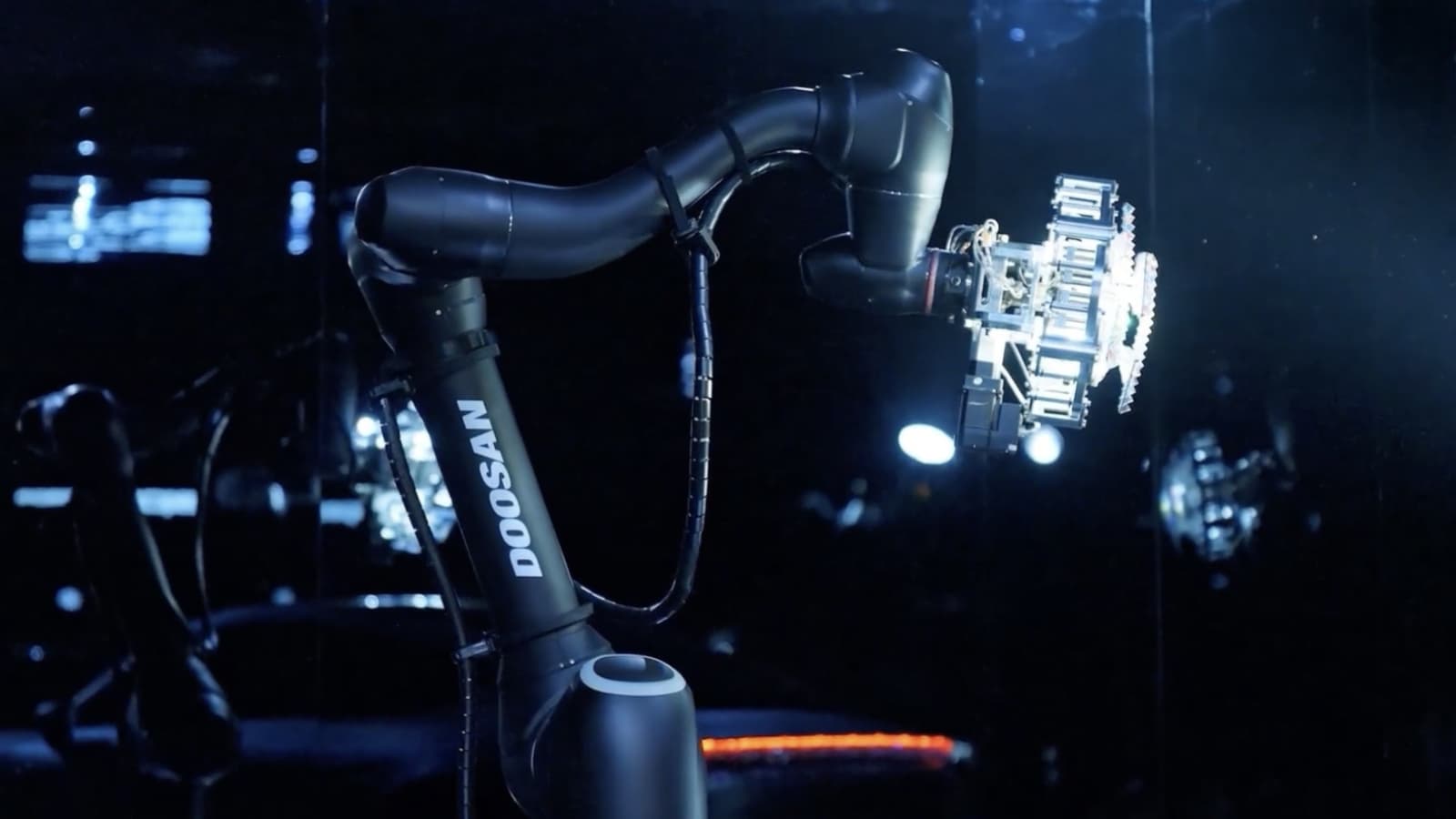
Robots at the Dialogues stage were described as learners that pick up skills through observation, much like a child watches a parent tie shoes. The narrative emphasized safety, adaptability and the ability to work alongside humans in factories, homes and hospitals. Though no specific robot model was launched, the talk hinted at tighter integration with Google’s AI services, meaning a robot could request a weather forecast or translate a sign in real time, all without a separate device.
Creativity tools: Turning ideas into visuals instantly
Creativity was framed as a conversation between human imagination and generative models. Google introduced a new design tool called Google Pics, which lets users sketch a concept and watch the system fill in details, color palettes and layout suggestions. The analogy used was a painter’s palette that automatically mixes the perfect hue for each brushstroke. By pairing this with the voice‑first workflow in Workspace, creators can describe a scene aloud and see it materialize in minutes, blurring the line between thought and prototype.
Subscription plans: Putting AI power behind a price tag
All the Dialogues announcements sit on top of Google’s refreshed AI subscription tiers. The $100 AI Ultra plan, unveiled alongside the Plus and Pro levels, promises higher usage limits, priority access to new models and early‑bird features for developers (https://blog.google/products-and-platforms/products/google-one/google-ai-subscriptions/). For enterprises, the tiered approach means they can pick the level that matches the intensity of their AI workloads, whether that’s powering a robot fleet or running quantum‑enhanced simulations.
What to watch next?
The Dialogues stage painted a picture of AI that is more present, more physical and more collaborative. In the months ahead, developers should keep an eye on the rollout of Google Pics, the expansion of Beam’s immersive meetings and the availability of the AI Ultra subscription. Each piece will test the ideas discussed on stage, turning theory into everyday tools. The real test will be whether users adopt these capabilities as natural extensions of their work, just as we already do with voice‑enabled email and documents.
📎 Related Articles
How to Catch Up on Google I/O 2026 Dialogues Stage Highlights • Google I/O 2026 Dialogues Stage Recap: AI, Quantum, Robotics Highlights • What OpenAI for Singapore Means for Business and Public Services • How to Deploy OpenAI’s Enterprise Coding Agent After Gartner’s Leader Announcement • How to Use OpenAI’s Model to Tackle Discrete Geometry Problems • Implementing OpenAI’s Next‑Phase Education Programs Worldwide • How AdventHealth Is Using OpenAI to Give Patients More Time with Doctors • Google I/O 2026 Dialogues Reveal an AI‑First Office