Verdict
If you spend long hours in a PC bang, love competitive titles like League of Legends, and want a Windows PC that can run local AI agents, give RTX Spark a try. If you run a desktop at home, need enterprise‑grade AI performance, or are price‑sensitive, you can skip it for now.
What It Does
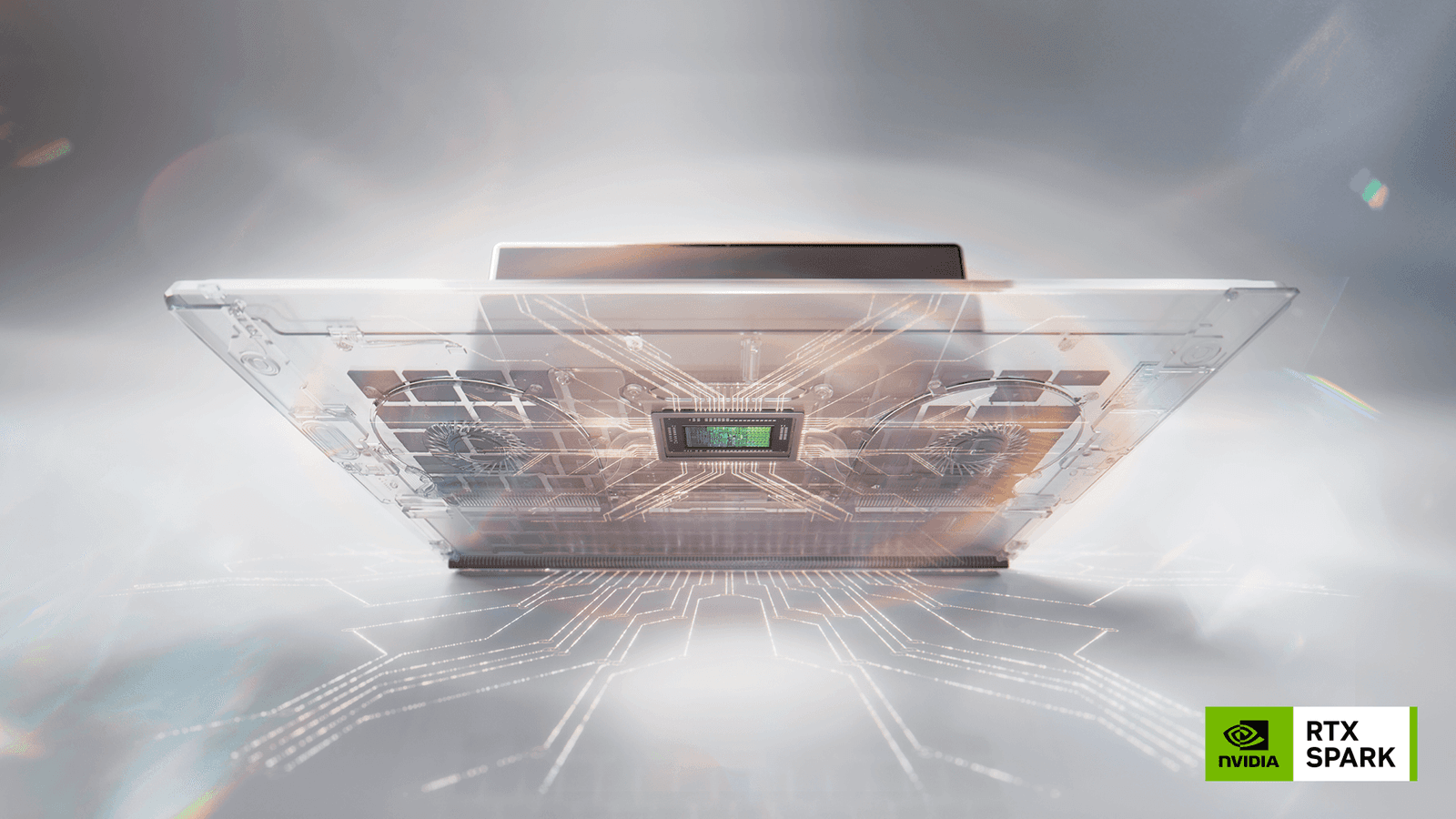
RTX Spark is NVIDIA’s latest “superchip,” announced at GTC Taipei during Computex and described as a processor that “reinvents Windows PCs for the era of personal AI agents.” The chip bundles accelerated graphics, AI inference, and a software stack that lets developers embed on‑device assistants directly into Windows applications. Jensen Huang presented the chip in South Korea, taking it to bustling PC bangs where gamers could test the hardware live.
According to the NVIDIA Newsroom post, the launch event paired the chip with leading game developers, the esports organization T1, and the Korean gaming community. The demonstration highlighted how the chip can handle both high‑frame‑rate gaming and AI‑driven features such as real‑time voice translation or in‑game assistance.
Best Use Cases
- PC bang patrons: Players who already pay hourly fees can experience higher frame rates and AI‑enhanced tools without upgrading personal rigs.
- Competitive esports teams: T1’s involvement suggests the chip can support training tools that analyze gameplay on the fly.
- Developers targeting Windows: The integrated AI stack reduces the need for separate cloud services when building local assistants.
Limits
The announcement focuses on a showcase rather than a full product rollout. No pricing, availability dates, or performance benchmarks were released. Because the chip is positioned for Windows PCs, it does not replace NVIDIA’s data‑center GPUs or DGX systems that power large‑scale AI workloads. Users looking for multi‑node training or enterprise AI infrastructure will find RTX Spark outside their needs.
Alternatives
For gamers who want better performance without AI features, NVIDIA’s existing RTX 40‑series GPUs remain the go‑to choice. Developers who need cloud‑based agents can stick with Azure OpenAI or NVIDIA’s own AI Cloud services, which are already deployed in Korea through SK Telecom’s gigawatt‑scale AI Cloud (see NVIDIA’s DSX™ platform). For industrial AI, NVIDIA’s collaborations with Doosan Group and SK hynix point to memory‑optimized solutions rather than a desktop‑focused chip.
Final Recommendation
RTX Spark shows promise for a niche that blends high‑speed gaming with on‑device AI. Early adopters in Korean PC bangs can see the concept in action, but the lack of concrete specs and pricing means most users should wait for a broader release before committing. Keep an eye on NVIDIA’s follow‑up announcements; the technology could become a useful tool for developers and esports teams once it moves beyond the showcase stage.
📎 Related Articles
NVIDIA’s Open‑Source Agent Stack: Who Benefits and Who Should Pass • Nvidia RTX Spark Review: Is Local AI on Windows Ready? • Google AI vs NVIDIA: Who Gives More to Communities? • NVIDIA, Foxconn & Taiwan Med Centers Deploy Agentic AI for Health • NVIDIA’s New Physical AI Tools: A Practical Review • Self‑Improving Tax Agent Powered by Codex Launches • Google AI's Missouri Investment Beats NVIDIA's Event Push for Community Impact • Gemini 3.5 vs the Competition: Which AI Assistant Delivers Real Action?
Explore related AI topics
AI News Today • AI Tools • Best AI Tools • ChatGPT Prompts • AI Agents