Verdict
If you are a developer building next‑generation mixed‑reality experiences or an enterprise pilot looking to test agent‑driven workflows on head‑mounted displays, jump into NVIDIA XR AI’s public beta. If you need a production‑ready solution today or your budget cannot absorb experimental hardware costs, hold off until NVIDIA finalizes pricing and stability.
What It Does
NVIDIA XR AI is a software framework that lets developers attach multimodal AI agents to AR glasses and other XR devices. The agents can process voice, vision, and contextual data to act on user requests without the need for a keyboard or touch interface. NVIDIA describes the offering as a public beta, meaning the core libraries and APIs are available for anyone to download and integrate, but the platform is still under active development.
The framework builds on NVIDIA’s broader AI stack, reusing the same inference engines that power large‑scale models in data centers. By running locally on the glasses’ compute fabric, the agents can respond in near real‑time, sidestepping latency that would otherwise arise from cloud calls.
Best Use Cases
- Hands‑free field assistance. Technicians can ask an agent for step‑by‑step guidance while keeping both hands on equipment.
- Live translation. An agent can capture spoken language, translate it, and overlay subtitles in the wearer’s view.
- Contextual data overlay. In manufacturing or logistics, agents can surface inventory numbers, safety warnings, or assembly instructions directly in the line of sight.
- Prototype for immersive training. Educators can experiment with conversational tutors that appear in the AR field.
Limits
The beta status introduces several constraints. First, NVIDIA has not published pricing, so teams must assume an undefined cost structure for any future commercial deployment. Second, performance depends heavily on the compute capabilities of the target glasses; lower‑end devices may struggle to run the full multimodal stack without throttling. Third, the public beta does not yet guarantee backward compatibility with older hardware revisions, meaning early adopters may need to upgrade headsets.
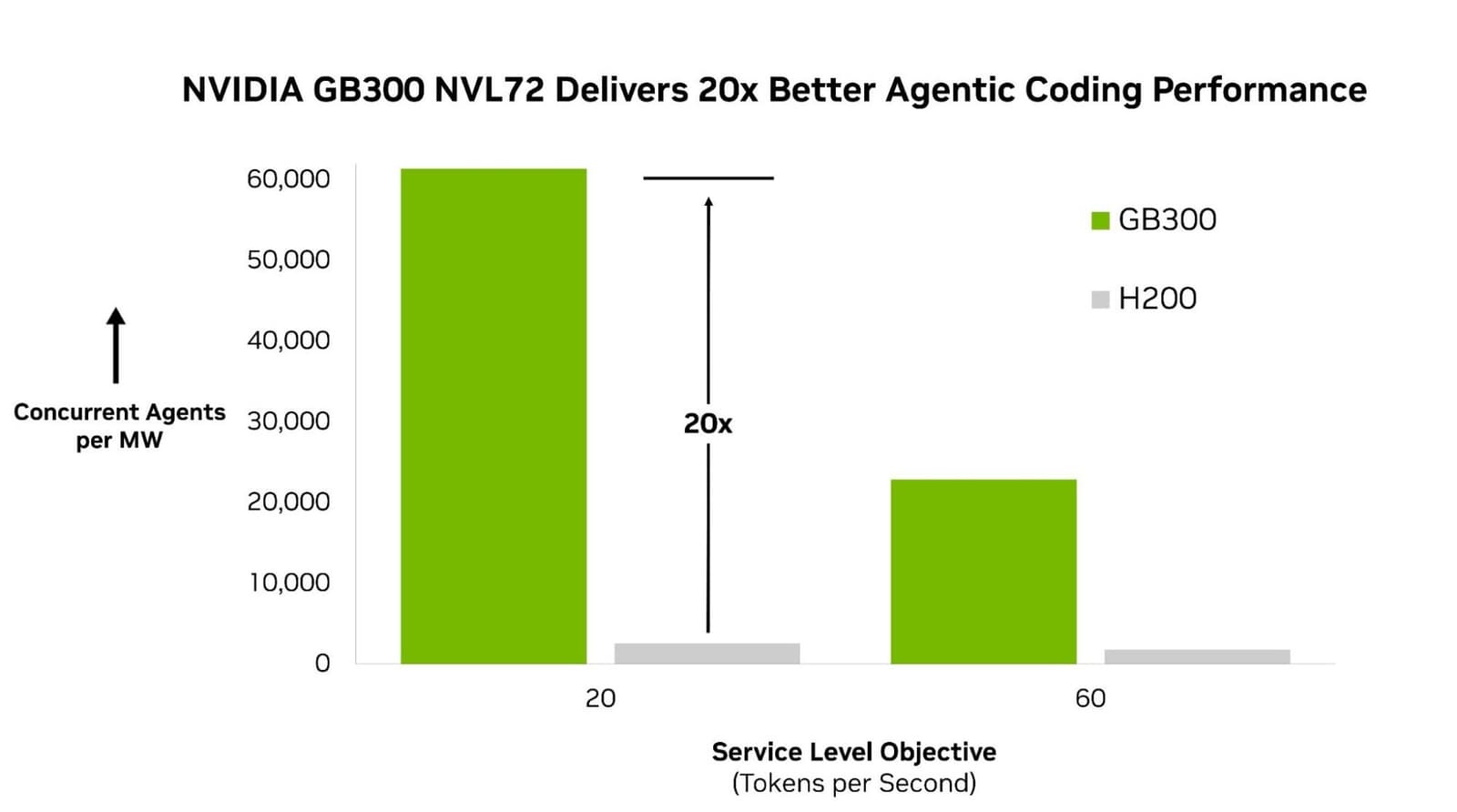
From an infrastructure perspective, NVIDIA’s recent benchmark releases (Blackwell Ultra NVL72 platform) show that running many agents simultaneously can be power‑intensive—up to 20 times more agents per megawatt than prior generations. While those figures come from data‑center hardware, they hint at the energy cost of scaling agent workloads, a factor enterprises must factor into total‑ownership calculations.
Alternatives
Enterprises that need a more mature stack can look at HPE’s AI Factory, which now integrates NVIDIA’s Vera CPU and Agent Toolkit. According to NVIDIA’s own announcement, the HPE AI Factory is positioned for production‑grade agentic AI, offering managed services and clearer cost models for large‑scale deployments. However, the HPE solution targets server‑grade environments rather than edge wearables, so developers focused on AR glasses may still need a dedicated on‑device framework.
For teams that prefer a cloud‑first approach, major cloud providers expose conversational AI services that can be streamed to AR devices. This sidesteps on‑device compute limits but re‑introduces latency and data‑privacy concerns that NVIDIA XR AI aims to avoid.
Final Recommendation
Developers eager to experiment with agent‑driven AR experiences should sign up for NVIDIA XR AI’s public beta and start building prototypes. The framework offers a clean path to embed voice, vision, and contextual reasoning directly on headsets, and it aligns with NVIDIA’s broader push toward agentic AI infrastructure. Enterprises that require guaranteed uptime, clear pricing, and large‑scale deployment should monitor the upcoming HPE AI Factory integration or wait for NVIDIA to announce a commercial release of XR AI.
In short, if you can tolerate beta‑level polish and want to be among the first to shape on‑device agents, go ahead. If you need rock‑solid production guarantees today, stay on the sidelines until NVIDIA formalizes the offering.
📎 Related Articles
Self‑Improving Tax Agent Powered by Codex Launches • NVIDIA Blackwell Ultra Sets New Power‑Efficiency Standard for Agentic AI • NVIDIA, Foxconn & Taiwan Med Centers Deploy Agentic AI for Health • NVIDIA’s Open‑Source Agent Stack: Who Benefits and Who Should Pass • Meta Business Agent Review: When to Use It and When to Pass • Radiant Logic’s AI Agent Identity Tracker: Who Needs It? • Qwen3.7-Plus Review: When Multimodal AI Becomes an Autonomous Engineer • AgentOps Review: Managing Agentic AI with Amazon Bedrock AgentCore
Explore related AI topics
AI News Today • AI Tools • Best AI Tools • ChatGPT Prompts • AI Agents