Verdict: The Dialogues stage delivered the most forward‑looking concepts, but the concrete tools unveiled in Workspace and Beam will touch everyday users sooner.
By AITREND AI Editorial
What the Dialogues Stage Covered
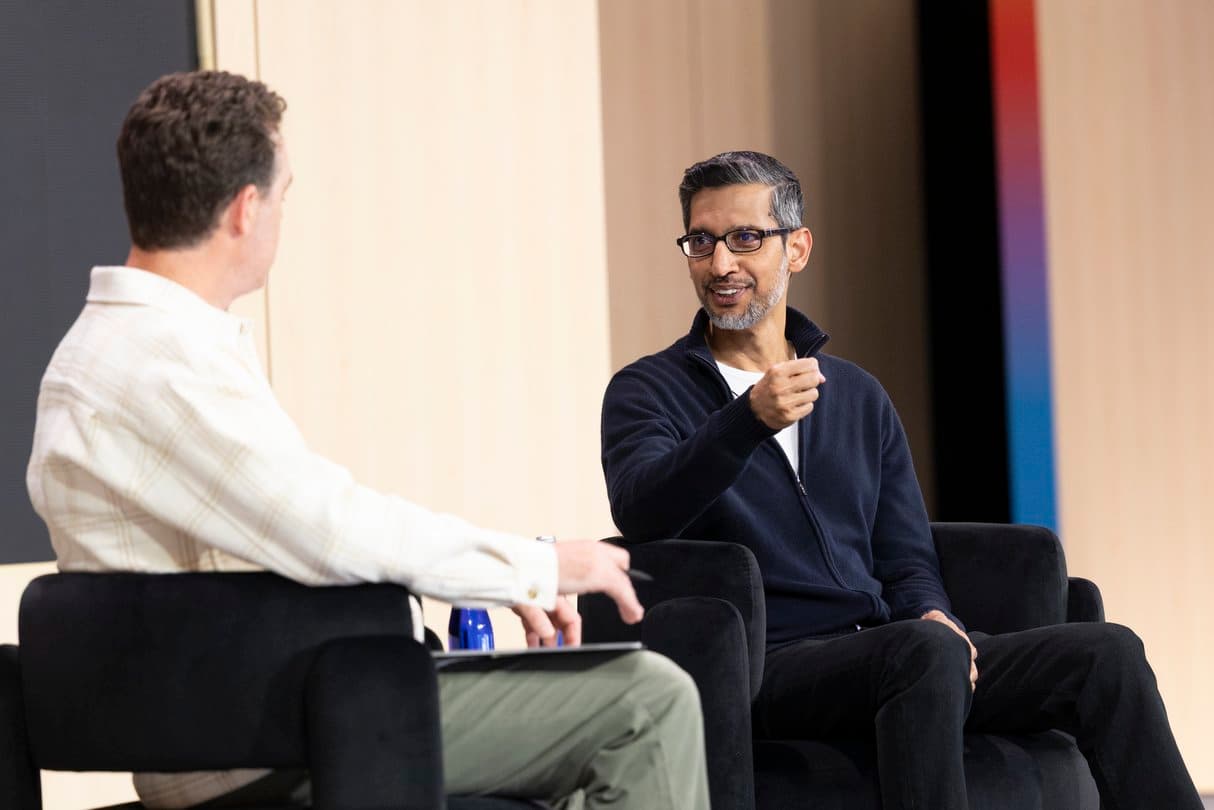
According to the Google AI Blog’s recap of the Dialogues stage, the session gathered leaders from AI, quantum computing, robotics and creative fields to discuss where the technology is headed. The conversation emphasized three themes: scaling generative AI, making quantum computers more accessible, and giving machines a better sense of physical context.
Key takeaways included:
- A push for “multimodal agents” that can understand text, images, audio and code in a single interaction.
- Progress on error‑corrected quantum bits that could lower the barrier for developers to experiment with quantum algorithms.
- Robotic platforms that combine vision and tactile feedback to perform delicate tasks, from surgery to art.
- Creative tools that let users co‑author music, video and visual designs with AI‑driven suggestions.
How It Relates to Other I/O Announcements
The same week Google unveiled three other headline projects: a hybrid‑meeting experiment called Google Beam, a suite of new voice and design features for Workspace, and a refreshed set of AI subscription tiers. While the Dialogues stage painted a picture of the future, these releases offered immediate, usable products.
Google Beam: Making Hybrid Meetings Feel Real
On May 20, the Google AI Blog introduced a new experiment that lets participants see and hear each other at true‑to‑life size and sound. The goal is to make remote attendees feel as present as those in the room, a step toward more inclusive hybrid collaboration.
Workspace Updates: Voice Everywhere
Three days earlier, Google announced voice capabilities across Gmail, Docs and Keep, plus a new design tool dubbed Google Pics. The updates aim to speed up routine tasks—drafting emails, editing documents or brainstorming visual concepts—by letting users speak instead of type.
AI Subscriptions: New Ultra Plan
On the same day as the Workspace news, Google rolled out an AI Ultra plan priced at $100 per month. The tier adds higher‑capacity generative models, priority access to new features, and expanded support for Google AI Plus and Pro subscribers.
Side‑by‑Side Comparison
| Aspect | Dialogues Stage | Google Beam | Workspace Voice & Pics | AI Ultra Subscription |
|---|---|---|---|---|
| Target audience | Researchers, developers, creative professionals | Hybrid meeting participants | Everyday Google Workspace users | Power users of generative AI |
| Core promise | Showcase next‑generation AI, quantum and robotics concepts | Deliver lifelike audio‑visual presence | Speed up routine tasks with voice; add visual design flexibility | Provide larger model quotas and early‑access features |
| Immediate availability | Insights and research direction – no product launch | Experiment open to select teams (pilot) | Features rolled out to all Workspace accounts | Subscription purchasable today |
| Pricing | None – informational | Free for pilot participants | Included in existing Workspace plans | $100/month for Ultra tier |
| Long‑term impact | Sets research agenda for AI, quantum and robotics | Potential new standard for hybrid meetings | May become default interaction mode in Docs, Gmail, Keep | Creates tiered ecosystem for generative AI services |
Why the Dialogues Stage Still Matters
The Dialogues session didn’t ship a button you can click, but it laid out a roadmap that connects the other announcements. The multimodal agents discussed on stage could eventually power the voice assistants now landing in Workspace. Error‑corrected quantum bits may one day accelerate the training of the massive models that sit behind the AI Ultra plan. And the tactile‑aware robots hinted at could inform future hardware for immersive meeting experiences like Beam.
What to Watch Next
Developers should keep an eye on the open‑source libraries that Google plans to release for multimodal AI, as they will likely surface in the next Workspace update cycle. Enterprises interested in hybrid meetings might volunteer for the Beam pilot to shape its final form. And anyone already paying for Google AI Plus may want to evaluate whether the Ultra tier’s higher quotas justify the $100 price tag.
Bottom Line
While the Dialogues stage painted an ambitious picture of where Google’s research is headed, the tangible tools in Beam, Workspace and the AI subscription model will affect users right now. If you need something you can use today, look to Workspace’s voice features or the Beam experiment. If you’re planning for the next wave of AI‑driven products, the Dialogues insights are the blueprint.
All announcements were reported by the Google AI Blog in the week of May 19‑22, 2026.
📎 Related Articles
What Google I/O 2026 Dialogues Unveiled: 5 Key Announcements • Dialogues Stage vs Other I/O Announcements: Which Moves Google Forward? • Dialogues Stage vs Google AI Products I/O 2026: Which Has More Impact? • OpenAI’s Multi‑Sector Playbook: How AdventHealth’s Whole‑Person Care Stands Out • Google I/O 2026 Dialogues vs Product Announcements: Which Stands Out? • I/O 2026: Futuristic hardware vs instant Workspace upgrades • Google I/O 2026 Dialogues Stage: Verdict on AI Vision • How to Catch Up on Google I/O 2026 Dialogues Stage Highlights