Verdict: The Dialogues stage offered the most forward‑looking vision for AI, quantum and robotics, while the product announcements delivered concrete tools that will reshape daily workflows immediately.
By AITREND AI Editorial
What the Dialogues Stage Covered
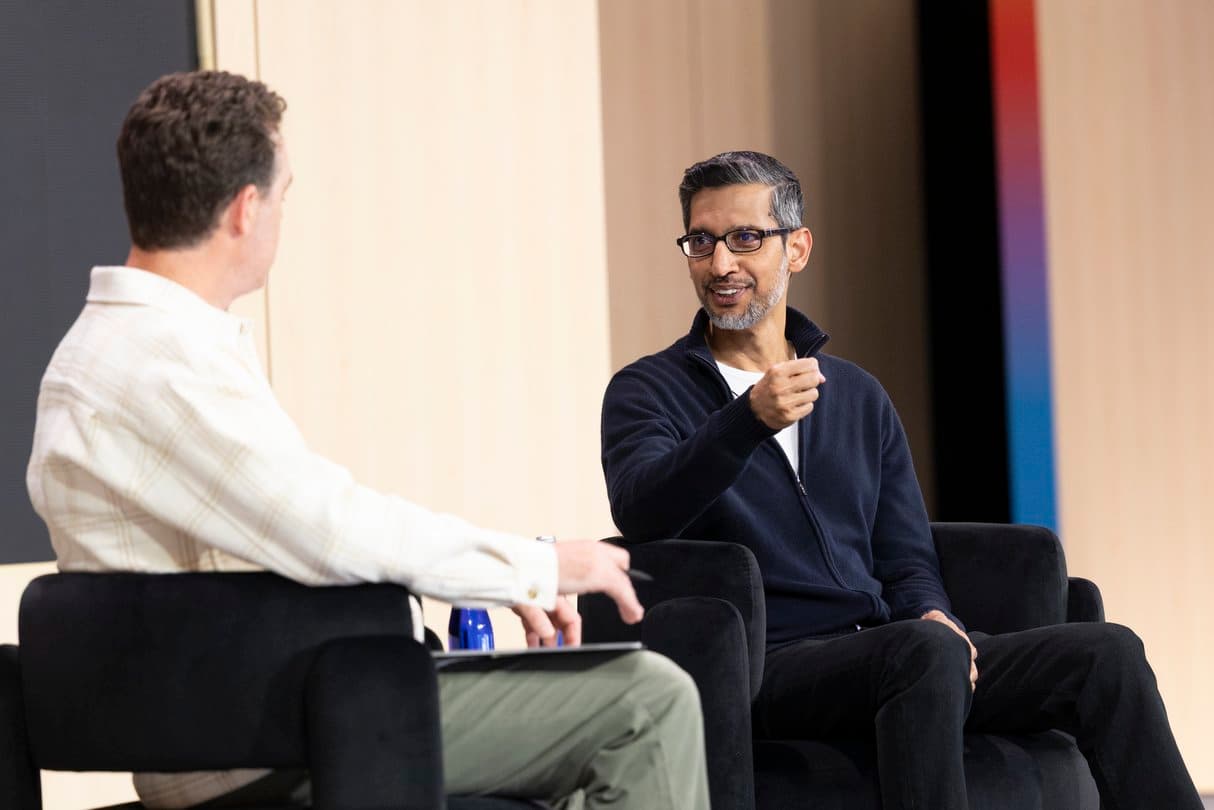
According to the Google AI Blog recap of the Dialogues stage, leaders gathered on May 22 to discuss the future of artificial intelligence, quantum computing, robotics and creativity. The conversation emphasized long‑term research directions, ethical frameworks, and the role of generative models in artistic expression. Speakers highlighted how quantum breakthroughs could accelerate AI training, and how robots might soon collaborate with humans in factories and studios. The tone was exploratory, with each panelist sketching possibilities that may not materialize for several years.
Product Announcements in a Nutshell
In the same I/O week, Google unveiled three distinct product updates. First, a new experiment called Google Beam promises lifelike hybrid meetings, letting participants see and hear each other in true‑to‑size video and spatial sound. The blog post on May 20 describes Beam as a step toward more inclusive remote collaboration.
Second, Workspace received a suite of voice‑driven features across Gmail, Docs and Keep, alongside a new design tool named Google Pics. The May 19 Workspace update promises that users can dictate emails, edit documents and capture ideas without lifting a finger.
Third, the AI subscription tier list was refreshed. Google introduced a $100 AI Ultra plan and added fresh perks for AI Plus, Pro and Ultra members. The same May 19 post frames these tiers as a way to unlock higher‑capacity models and priority access to new research.
Head‑to‑Head Comparison
| Aspect | Dialogues Stage | Product Announcements |
|---|---|---|
| Primary focus | Long‑term vision for AI, quantum, robotics and creativity | Immediate productivity tools: Beam meetings, Workspace voice, AI subscription tiers |
| Audience | Researchers, developers, policy makers | Enterprise users, remote workers, developers needing higher‑capacity models |
| Key takeaway | AI will converge with quantum hardware and robotic platforms over the next decade | Google is tightening the feedback loop between AI research and everyday apps |
| Delivery format | Panel discussions and keynote remarks | Live demos, product pages and subscription pricing tables |
| Immediate impact | Sets direction for future research grants and open‑source releases | Users can start a Beam meeting or enable voice in Docs today |
Why the Dialogues Matter
The Dialogues stage is the only venue at I/O that explicitly tackles speculative topics. By placing quantum computing on the same stage as generative AI, Google signals that the two fields will soon intersect. The discussion also touched on responsible AI, reminding developers that ethical considerations must travel with technical progress.
Why the Product Rollouts Matter
Google Beam addresses a pain point that many hybrid teams still feel: the sense that remote participants are flat on a screen. By rendering participants at true size and adding spatial audio, Beam reduces the feeling of distance. Workspace’s voice capabilities cut down on keyboard time, a benefit for anyone juggling inboxes and drafts. Finally, the AI Ultra plan gives power users a clear path to higher‑throughput models without waiting for a beta invitation.
How the Two Strategies Intersect
Even though the Dialogues stage looks ahead, its themes echo in the product announcements. The focus on lifelike interaction in Beam mirrors the robotics discussion about physical presence. Voice‑first features in Workspace draw on advances in natural‑language models highlighted during the AI panel. And the AI Ultra subscription offers the compute horsepower that quantum‑accelerated training could eventually require.
What to Watch Next
Developers should keep an eye on any open‑source releases that follow the Dialogues panels, especially around quantum‑ready AI frameworks. Enterprise buyers, meanwhile, can start testing Beam in a pilot team and enable voice in their Docs environment to gauge adoption. Subscribers interested in the Ultra tier should review the new benefit list to decide if the $100 price point aligns with their usage patterns.
Bottom Line
If you measure impact by immediate usability, the product announcements win. If you measure by the breadth of future possibilities, the Dialogues stage takes the lead. Together, they paint a picture of a company that is both building tools for today and laying the groundwork for tomorrow.
📎 Related Articles
Google I/O 2026 Dialogues Reveal an AI‑First Office • Google I/O 2026 rolls out 100 new tools and services • Content Credentials, SynthID & Verification Tool: Building Trust in AI Media • Virgin Atlantic speeds app delivery with Codex • OpenAI Leads Enterprise Coding Agents and Expands AI Reach