The Change
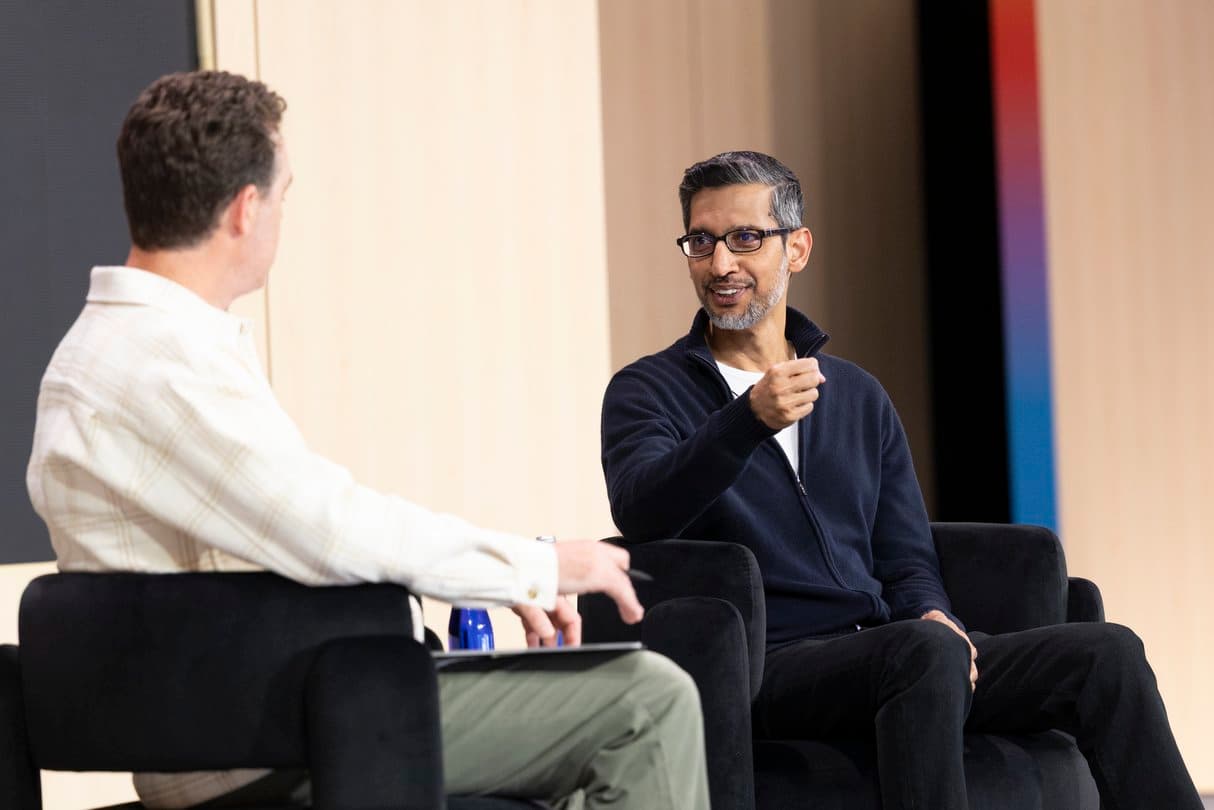
Google I/O 2026 introduced a refreshed Dialogues stage, shifting from a traditional keynote to a series of focused conversations. Leaders from AI, quantum computing, robotics and creative tech sat down for live, unscripted talks that highlighted concrete product progress and research breakthroughs. The new format emphasized real‑world applications, giving attendees a clearer picture of what Google is delivering this year.
Why Now
The tech ecosystem is at a turning point where generative AI, quantum advantage and autonomous robotics are moving from labs to daily tools. Google’s leadership recognized that developers, enterprise customers and the broader public need concise, actionable insights rather than vague visions. As reported by the Google AI Blog, the Dialogues stage was designed to surface practical use cases that can be adopted today, aligning with the rapid pace of AI adoption across industries.
How It Works
Each Dialogues session ran for roughly 30 minutes, featuring a moderator, a subject‑matter expert and a guest from a partner organization. The conversations were streamed live and later posted to YouTube, allowing on‑demand viewing. Interactive polls were embedded in the stream, letting viewers vote on topics in real time. After each talk, a short Q&A segment let the audience submit questions via the Google I/O app, with the most popular queries answered on the spot.
The stage also integrated new visual aids: live demos were projected side‑by‑side with speaker slides, and a real‑time transcription overlay highlighted key terminology. This setup helped viewers follow technical details without getting lost in jargon. According to the Google AI Blog, the format was tested internally during the past year and refined based on developer feedback.
Who Benefits
Developers building on Google Cloud now have concrete examples of how to embed Gemini‑based models into their services, thanks to a dedicated Dialogues segment on generative AI. Enterprise teams can see how quantum‑ready algorithms are being packaged for early‑access programs, opening pathways to experiment with quantum‑enhanced optimization. Robotics researchers gained insight into Google’s latest hardware‑software stack, which promises tighter integration with Android and Edge TPU devices.
Beyond specialists, product managers and marketers received a snapshot of upcoming creative tools, such as the AI‑driven image generation features hinted at during the session. The inclusive design of the Dialogues stage—live captions, multilingual subtitles and on‑demand replay—ensures that non‑English speakers and remote participants can extract the same value as those in the auditorium.
Overall, the revamped Dialogues stage serves anyone who relies on Google’s AI ecosystem, from indie app developers to Fortune 500 CTOs, by delivering actionable knowledge in a digestible format.
📎 Related Articles
Google I/O 2026 Dialogues Stage Recap: AI, Quantum, Robotics Highlights • Google Announces New Community Investments in Missouri • Google I/O 2026 rolls out 100 new tools and services • Dialogues Stage vs Google AI Products I/O 2026: Which Has More Impact? • Google I/O 2026 Dialogues Recap: What Stood Out and How It Stacks Up • What Google I/O 2026 Dialogues Unveiled: 5 Key Announcements • OpenAI expands Education for Countries with new tools and training • OpenAI Topped Gartner's 2026 Magic Quadrant for Enterprise Coding Agents