Why this list matters
Every June, developers and businesses scan Google I/O for signals about where the company is heading. The announcements set expectations for the next wave of software, hardware, and services. By distilling the most visible releases into a concise list, readers can decide which tools deserve attention right away.
1. Gemini Omni
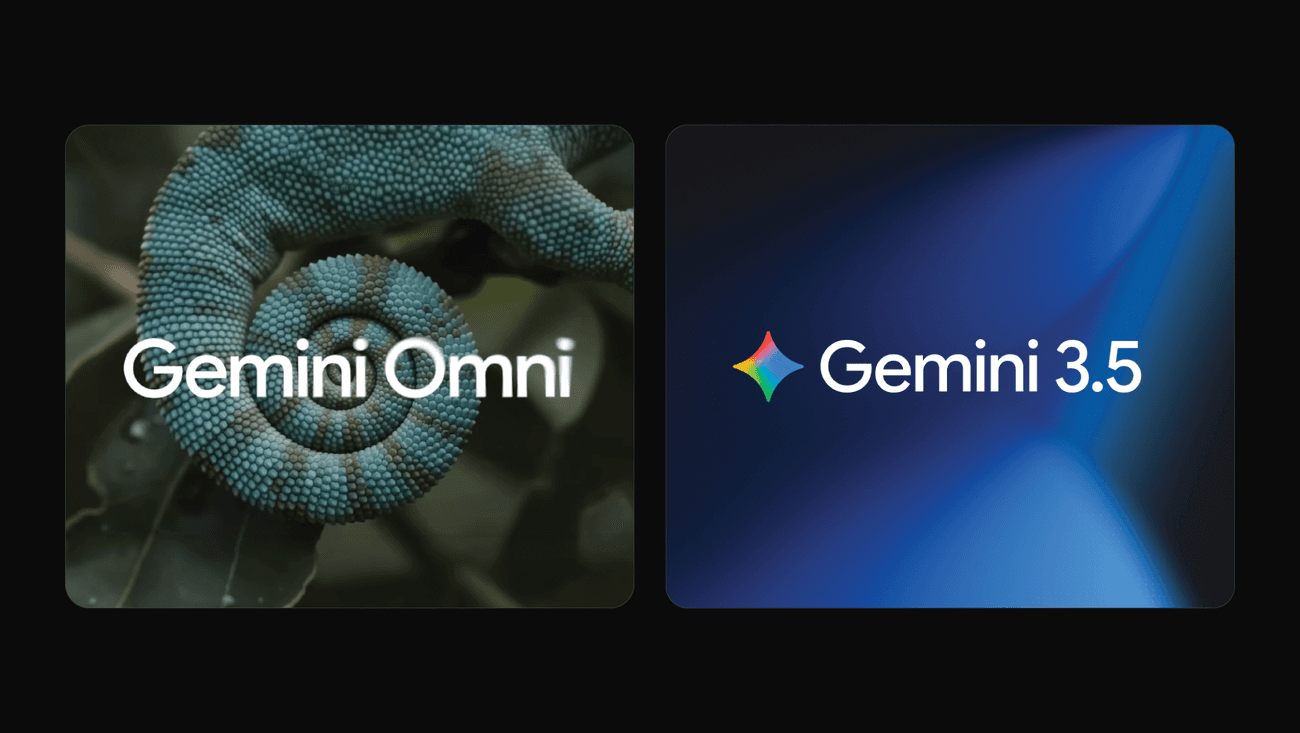
Gemini Omni was introduced as part of Google’s AI rollout at I/O 2026. According to the Google AI Blog, it represents a new generation of large‑scale models designed to handle a broader range of tasks than previous versions.
Pricing: Not announced.
Best use case: Teams that need a single model capable of text, image, and multimodal processing without stitching together separate services.
2. Google Antigravity
Google Antigravity made its debut alongside Gemini Omni. The blog describes it as a platform that reimagines how developers interact with cloud resources, allowing workloads to “float” across infrastructure without manual provisioning.
Pricing: Not disclosed.
Best use case: Companies looking to simplify scaling for bursty applications while keeping operational overhead low.
3. Universal Cart
The Universal Cart announcement highlighted a unified checkout experience across Google’s commerce ecosystem. As noted by the Google AI Blog, the service aims to reduce friction for merchants and shoppers alike.
Pricing: Not provided.
Best use case: Online retailers that sell on multiple Google platforms and want a single, consistent payment flow.
4. Voice‑enabled Gmail
Google added new voice capabilities to Gmail as part of the Workspace updates. Users can now dictate, reply, and search their inbox using natural speech, according to the second source.
Pricing: Included with existing Workspace subscriptions.
Best use case: Professionals who spend large portions of their day in meetings and need hands‑free email management.
5. Voice‑enabled Docs
The same voice upgrade rolled out to Google Docs, letting writers dictate paragraphs, apply formatting commands, and navigate documents without touching a keyboard. The Google AI Blog confirms the feature is live for all Workspace users.
Pricing: Part of the standard Workspace offering.
Best use case: Content creators who prefer speaking over typing, such as journalists or educators preparing lecture notes.
6. Voice‑enabled Keep
Keep now supports voice input, allowing quick capture of ideas, to‑do items, and reminders. The announcement emphasizes speed and accessibility for on‑the‑go users.
Pricing: Included in Workspace.
Best use case: Individuals who need to jot down thoughts while commuting or multitasking.
7. Google Pics
Google Pics is a new design tool introduced in the Workspace suite. The blog describes it as a lightweight editor for creating graphics, mockups, and visual assets without leaving the cloud.
Pricing: Not detailed; expected to be part of Workspace.
Best use case: Small teams that need a simple, collaborative graphics editor without learning a full‑featured desktop app.
8. AI Inbox updates
AI Inbox received a series of enhancements, including smarter categorization, predictive replies, and tighter integration with the new voice features. The Google AI Blog notes the updates aim to reduce inbox overload.
Pricing: No extra charge for existing users.
Best use case: Anyone looking to keep their email organized with minimal manual effort.
📎 Related Articles
Google I/O 2026 Dialogues: 7 Must‑Know Announcements • Google I/O 2026: Which Announcement Matters Most? • Google I/O 2026: 7 Highlights You Need to Know • Google I/O 2026 Dialogues Stage Recap and Product Rollouts Compared • Google I/O 2026: Big Announcements vs Workspace Tweaks – Which Impacts You More? • Google I/O 2026: AI feats vs Workspace upgrades • Google I/O 2026: 100 Announcements vs Workspace Updates – Verdict • Google I/O 2026 Verdict: AI‑First Rollout Hits the Mark