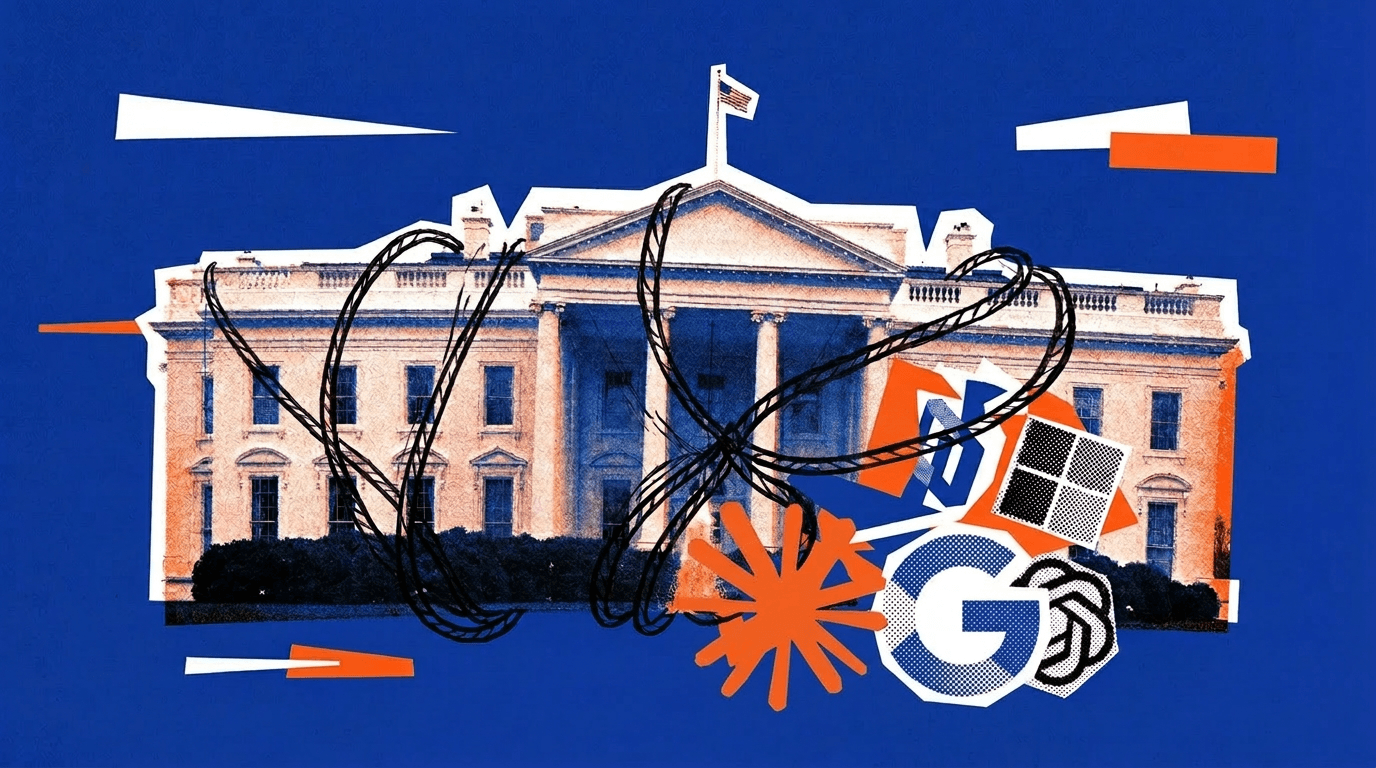
The U.S. government told Anthropic on June 15, 2026, to deliver large language models that cannot be hacked, a demand officials say may be impossible.
Context
According to The Decoder, the directive stems from a Trump‑era cyber security order that requires any AI system used in critical infrastructure to be provably resistant to compromise. Anthropic’s newest model, Fable 5, was released without the required clearance, prompting an angry response from the administration – “They screwed us,” one official said.
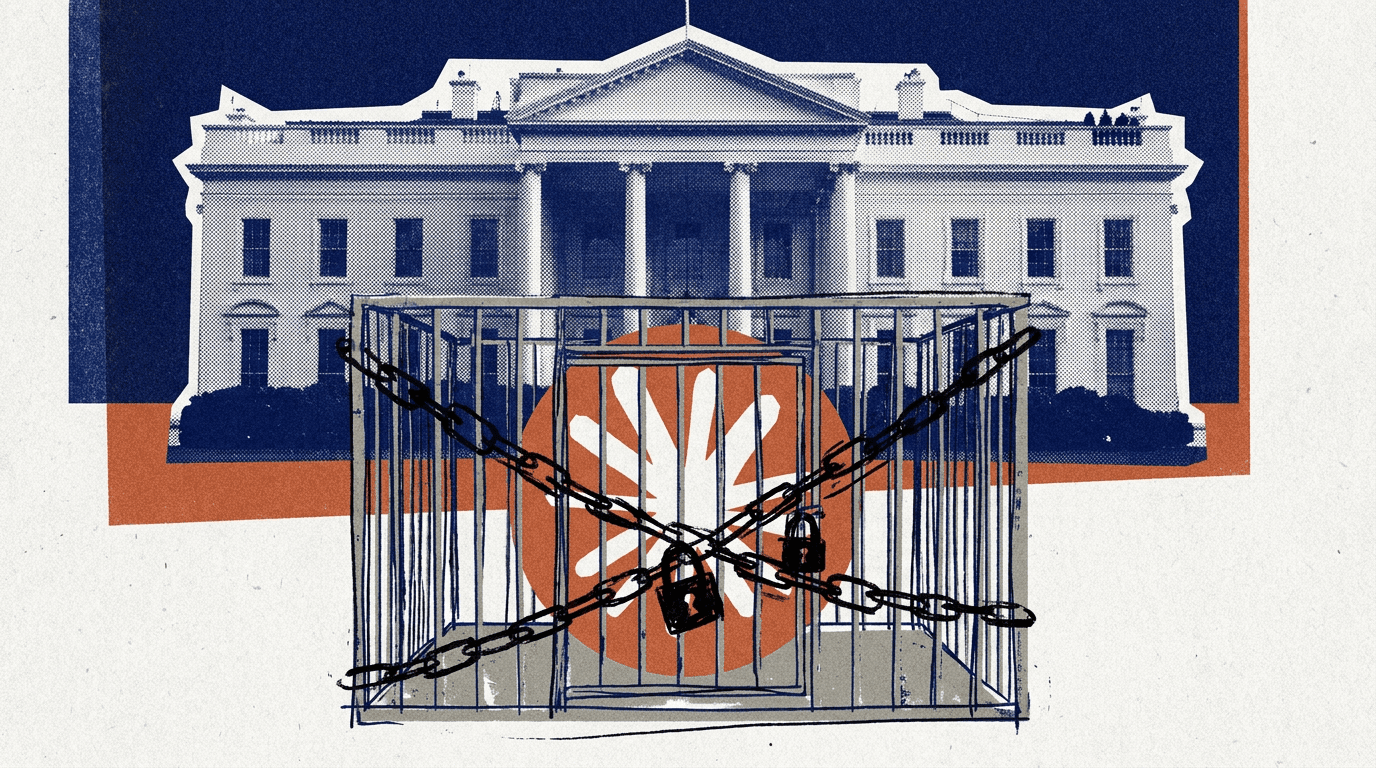
Federal agencies including the Department of Commerce, the CIA, and science adviser Michael Kratsios have entered talks with Anthropic to define what “unhackable” means in practice. The same week, the White House imposed export‑control restrictions on Anthropic’s Fable and Mythos families, effectively pulling the models from U.S. customers.
TechCrunch AI notes that the ban was never framed as a reaction to an AI jailbreak, but rather as a broader push to keep the nation’s AI supply chain under strict oversight. The agency’s language suggests the move is both reactionary and possibly retaliatory, underscoring a new willingness to intervene in AI product rollouts.
Impact
Cybersecurity professionals quickly warned that the order could cripple defensive tooling. A coalition of dozens of experts wrote to the White House urging the removal of the export‑control restrictions, arguing that the ban “will limit the ability of cybersecurity defenders to secure their software and products.”
The immediate effect is a halt to Anthropic’s commercial rollout of its most powerful models, leaving enterprises without access to the latest generative AI capabilities for threat detection, code review, and incident response.
Internationally, the episode has already rippled beyond Washington. In India, tech leaders are debating whether the Anthropic saga signals a need to rethink the country’s own AI ambitions, as reported by TechCrunch AI.
What’s Next
Negotiations between Anthropic and federal officials are ongoing. If a definition of “unhackable” can be agreed upon, the company may be required to embed formal verification or hardware‑level isolation into future releases – a technical challenge that many experts deem near‑impossible with current technology.
Meanwhile, the cybersecurity community is pushing for a swift policy reversal, citing the broader risk to national cyber defense posture. The White House has not indicated a timeline for revisiting the export controls.
Anthropic has not publicly detailed its response beyond confirming that it is “engaged in discussions with the relevant agencies.” The outcome will likely set a precedent for how the U.S. regulates advanced AI models and could influence other nations’ approaches to AI security.
📎 Related Articles
Cybersecurity Experts Demand Reversal of US Ban on Anthropic’s Top Models • Anthropic Halts New Model Access, Sparking Indian AI Debate • Cybersecurity experts slam Anthropic’s Fable guardrails • Anthropic opens Mythos-level AI model to general users • Anthropic Opens Mythos-Class Claude Fable 5 to Public Today • Anthropic lands $65 B Series H, valuation tops $965 B • Anthropic to Release Mythos‑Level AI Models in Weeks • Anthropic expands Project Glasswing to 150 partners across 15 nations
Explore related AI topics
AI News Today • AI Agents • AI Models • AI Coding Tools • AI Video Tools • Open Source AI Models • LLM Benchmarks